IAN LAVERY MP warns that decades of neoliberal policies have left former industrial communities behind — but a renewed Labour commitment to working people could change the political landscape


The radical tradition of African self-liberation
ROGER McKENZIE discusses the different Marxist traditions of thought about race and racism in the first in a four-part serialisation of his new book, African Uhuru
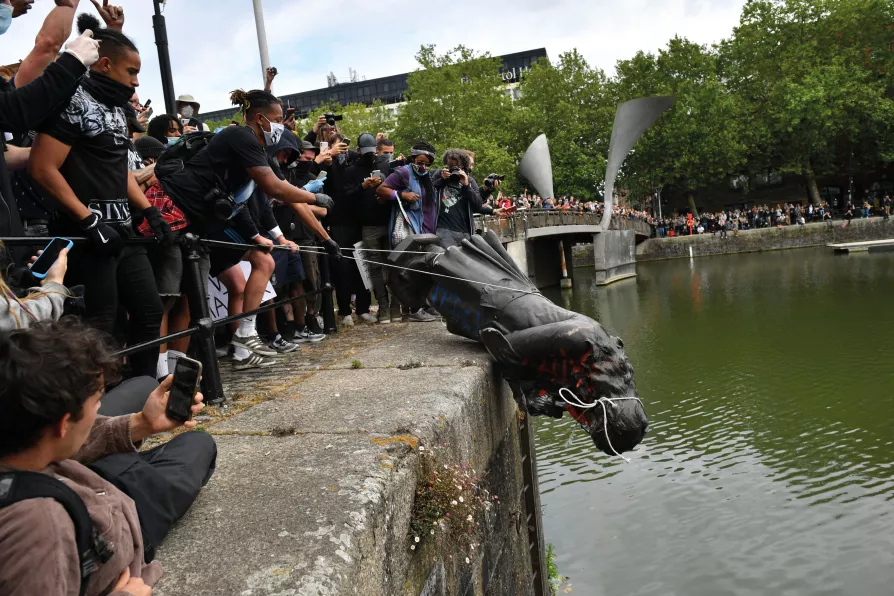
 DRAMATIC MOMENT: Protesters throw the statue of merchant and slave trader Edward Colston into Bristol harbour during a Black Lives Matter protest rally, 2020

PAOLO SANTALUCIA reports on how an Italian region defies US pressure to end a Cuban doctors programme
HENRY FOWLER outlines the GFTU’s new 2026-27 education programme and argues that investing in trade union education is essential to building worker power, developing leaders and strengthening collective action
We need a government that invests in saving lives not destroying them, argues SOPHIE BOLT
More expensive by weight than gold, saffron is surprisingly simple to grow. MAT COWARD explains
The public inquiry is the result of more than a decade of determined campaigning. Now, those who fought for justice want the full story of government involvement and police conduct to be told, says KATE FLANNERY
The Durham Miners’ Gala is a celebration of working-class culture, but also a call to action — to rebuild workers’ collective strength, says KIM JOHNSON MP





THERE is an African radical tradition of resistance to racism that stretches from beyond the continent of Africa to include the entire African diaspora. The very notion of a radical African tradition of resistance — as distinct from any general forms of radicalism — raises two fundamental objections from its critics.
Firstly, there is the (arguably racist) contention that Africans are simply incapable of creating distinct philosophical or theoretical works comparable to anything derived from a European tradition. And secondly, there is the very sophisticated argument that engaging in a distinct tradition based on “blackness” only serves to legitimise false theories of race.
The problem is that the mere ending of the British empire did not end the racist ideology that had been manufactured over many years. Racism in Britain, by the state and in the workplace must be seen as a legacy of colonialism where centuries of white supremacist beliefs and actions have left a network of stereotypes and prejudices.

Similar stories
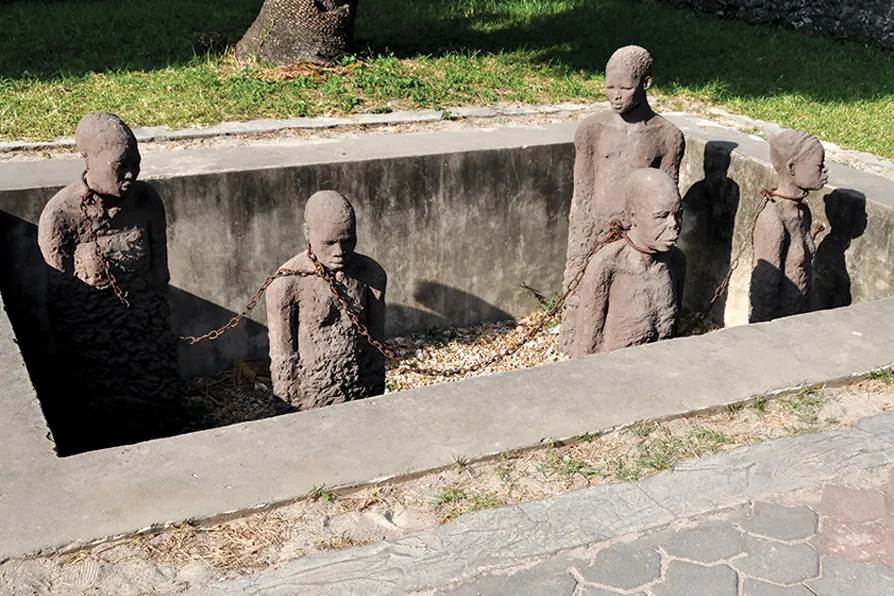
With the centenary of the UN Slavery Convention upon us, ROGER McKENZIE argues much needs to be done to rid us of all its contemporary manifestations
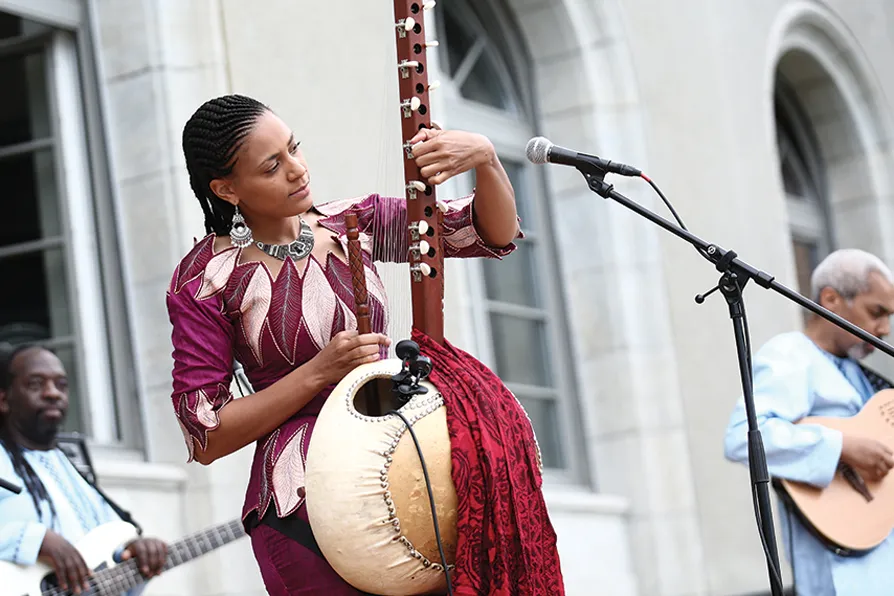
ROGER McKENZIE draws attention to the much-neglected oral traditions of the global South that define the identity – and therefore the liberation – of its custodians
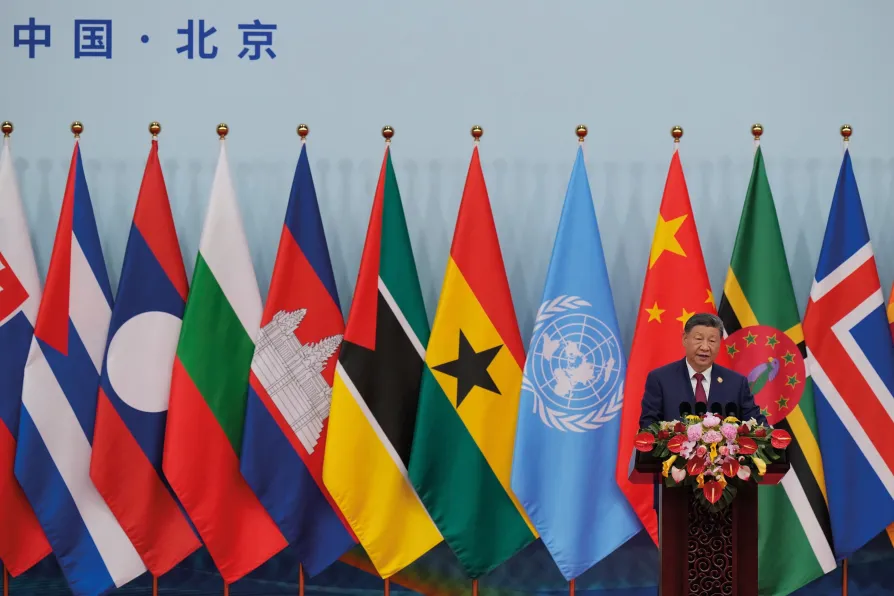
ROGER McKENZIE argues that Western powers can see the beginning of the end in the rise of the global South — and racist reactions are kicking in
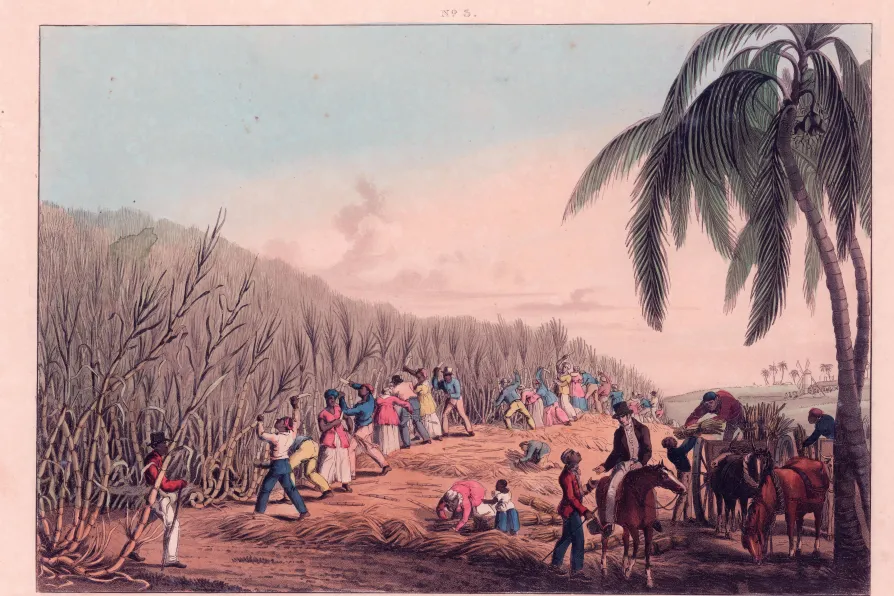
On the anniversary of the implementation of the 1833 Slavery Abolition Act, ROGER McKENZIE warns that the legacy of black enslavement still looms in the Caribbean and beyond