The social base of the old Tory Party has disappeared as surely as that of Labour, argues ANDREW MURRAY – today’s right are the debased offspring of a capitalism that speculates without investing and profits without producing


 Latest editorial
Queen Anne’s Bounty: the Church of England struggles with its slavery connections
The paltry new fund embraced by the Church of England is nowhere near what real justice demands: handing over the estimated £1.3 billion derived from trafficked Africans to their descendants, explains STEVE CUSHION
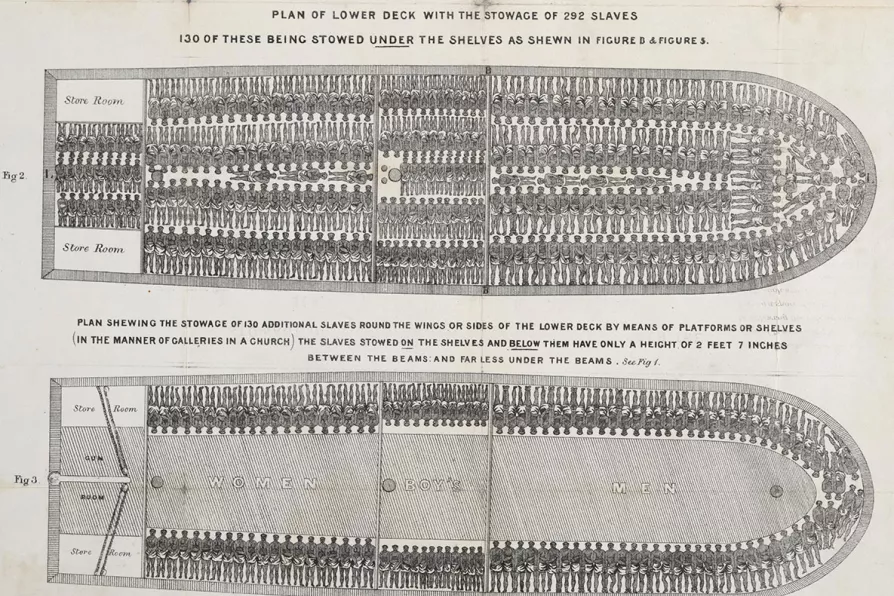 Stowage of the British slave ship Brookes under the regulated slave trade act of 1788

SEVIM DAGDELEN says European Nato states are escalating ever closer to direct conflict with a nuclear power, and sacrificing welfare states built up over a century to finance it
KENNY MacASKILL says the lines between party, government and Civil Service in Scotland have been blurred and we need a thorough investigation into how
IAN SINCLAIR examines the curious memory lapses across liberal media when it comes to British government crimes
STEPHEN ARNELL looks at some of the notorious political corruption cases from British history
ENRIQUE SANTIAGO ROMERO says the Colombian far-right’s election victory is deeply suspect — and the United States has its fingerprints all over it
History suggests apartheid ends not through appeals to conscience alone but through sustained economic and political pressure, says HUGH LANNING





IN 2023, the Church Commissioners, the financing arm of the Church of England, published their Research Into Historic Links To Transatlantic Chattel Slavery.
This acknowledged the church’s historic complicity in trafficking in enslaved Africans through the profits it made from a fund known as Queen Anne’s Bounty, which was established in 1704 by Queen Anne to help poor Anglican clergy. This fund, invested in African chattel enslavement took donations derived from investments made by the church in the South Sea Company.
As Dr Helen Paul, one of the historical advisers to the research team, wrote: “The South Sea Company was formed as an integral part of the early modern British state. It was designed from the outset as a slaving company. It shipped enslaved human beings across the Atlantic in terrible conditions.

Similar stories
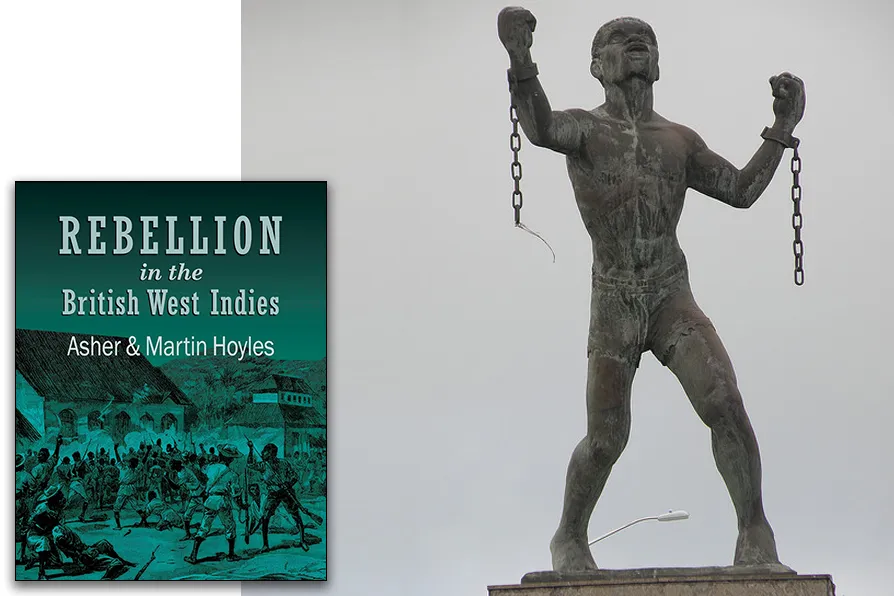
BOB NEWLAND appreciates an important contribution to the debate about how slavery helped to build the wealth of Western companies and states
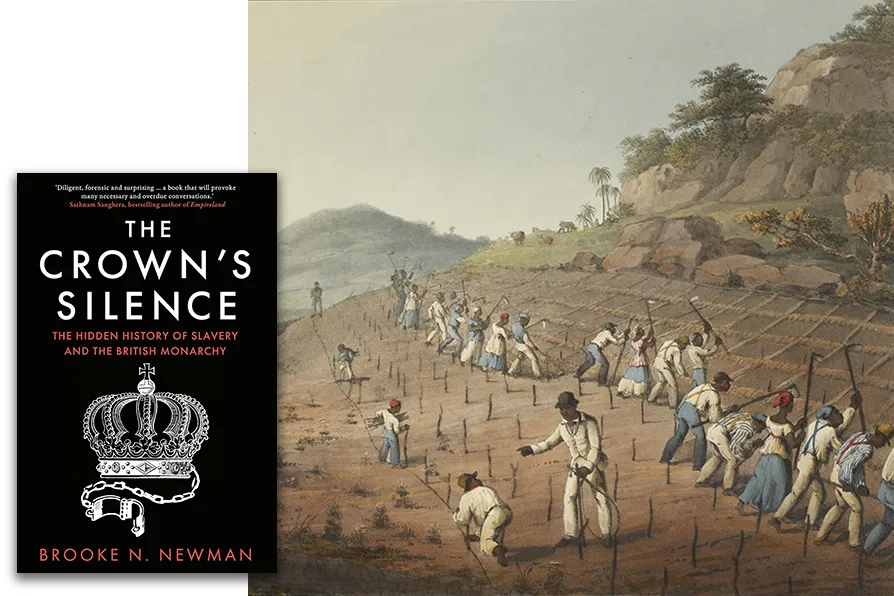
ELLIS RAE recommends a stunning history of the active role played by the British monarchy in establishing and profiting from slavery
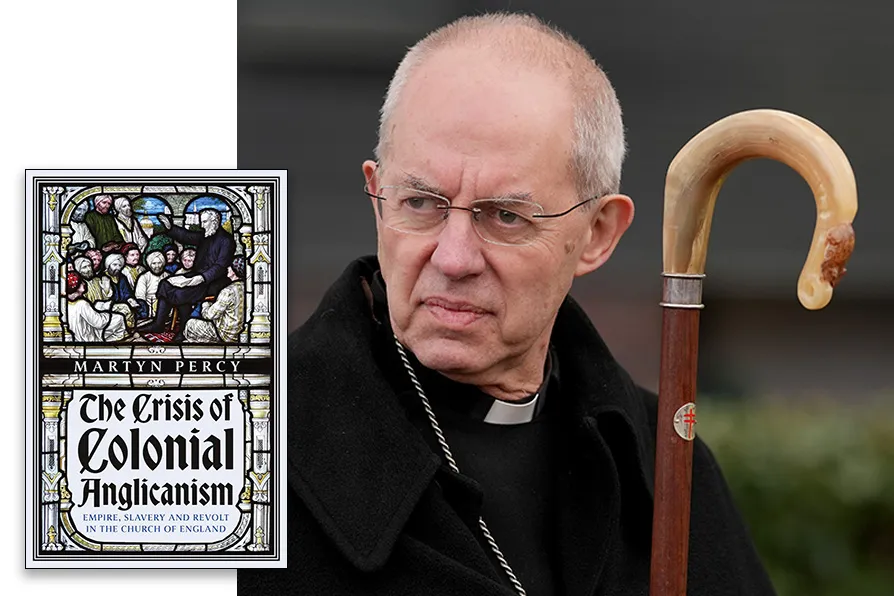
GUILLERMO THOMAS is persuaded by a scathing critique of the Church of England and its embeddedness in imperialism
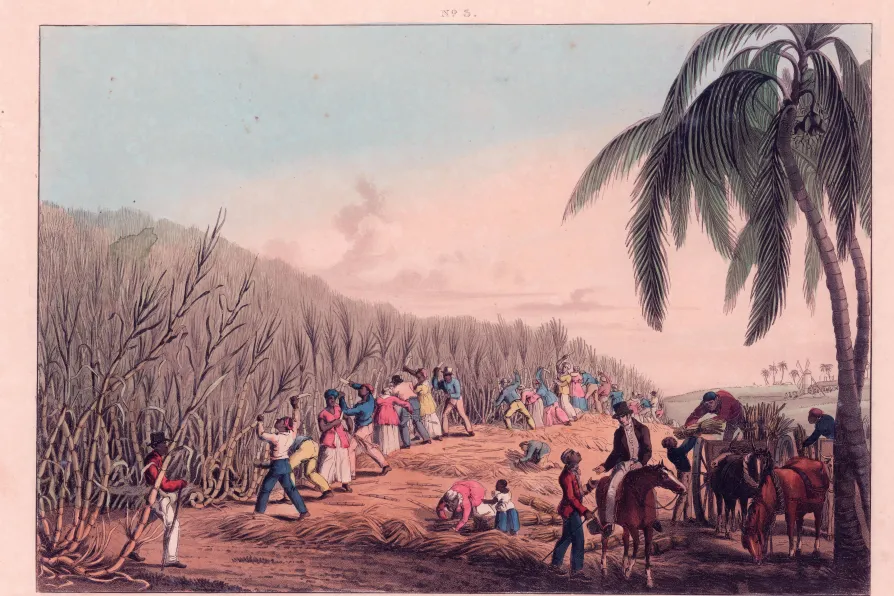
On the anniversary of the implementation of the 1833 Slavery Abolition Act, ROGER McKENZIE warns that the legacy of black enslavement still looms in the Caribbean and beyond