CLAUDIA WEBBE speaks out against the lethal mechanics of Britain’s culture-war press


 Latest editorial

No more climate cranks on our screens
IAN SINCLAIR relays how one man's stand on climate change forced the BBC to admit the truth
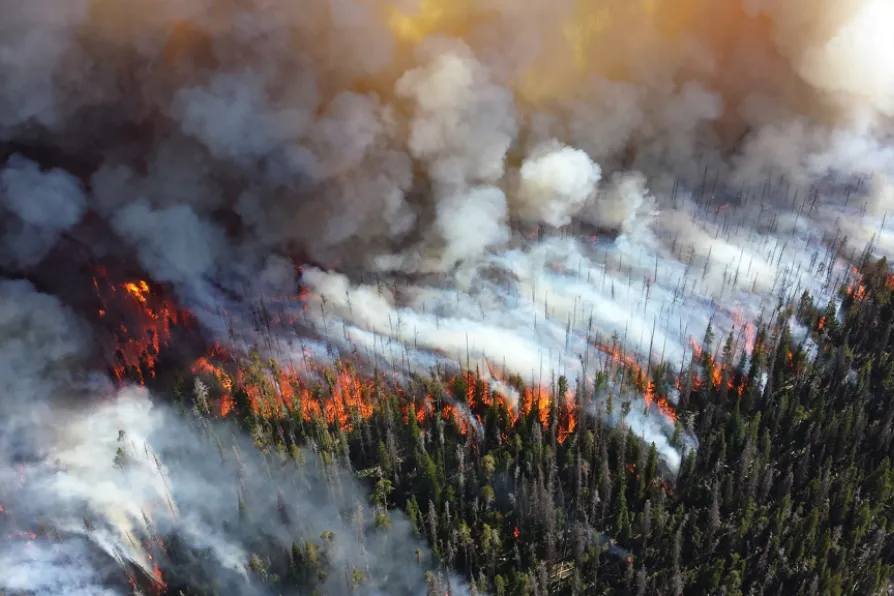 This summer was one of the hottest on record which saw forrest fires spread all across the world
Powerful agribusiness interests are trying to overturn efforts by the Lula government to protect the environment and indigenous peoples of the Amazon region, writes GABRIELA SA PESSOA
Trade unions and community groups are mobilising to push back against Trump’s racist raids after new revelations of spying on legal protesters. MARK GRUENBERG reports from the US state of Minnesota
The best wildfire service may begin with the community, argues KOMAL RAJ ARYAL
The evolution of the Scottish nationalist leadership into cheerleaders for Nato has led the party to betray its pledges on Palestine and social spending, writes COLL McCAIL
While riding the No 3 bus in Glasgow MATT KERR has ample time to dissect the moribund Scottish Labour decline into near oblivion and watch intriguing bus passenger dynamics





A COMMON, dispiriting problem activists often face is the difficulty in discerning any direct effects of all their hard work. This does not apply to Dr Rupert Read’s latest action on climate change.
On August 1 Read, who is chair of the Green House think tank and a lecturer in philosophy at the University of East Anglia, tweeted that he decided to turn down an invitation from BBC Radio Cambridgeshire to debate with a climate change denier.
“When the call came through, my initial instinct was to say ‘Yes’, just because it is a media opportunity”, he tells me. “But before the word ‘Yes’ left my mouth, something deep inside me made me hesitate – and say ‘No’. I couldn’t stomach it any more. I couldn’t see how, in the midst of a summer of climate chaos, it made any sense to be debating whether this was really happening.”

Similar stories

Media Lens at 25: David Cromwell and David Edwards reflect on a quarter-century of media criticism, explaining why independent journalism is more important than ever
Established as a landmark victory for the climate movement, the CCC promised to hold governments to account. Today, it is understating the danger of climate chaos and impeding the radical action needed, says IAN SINCLAIR
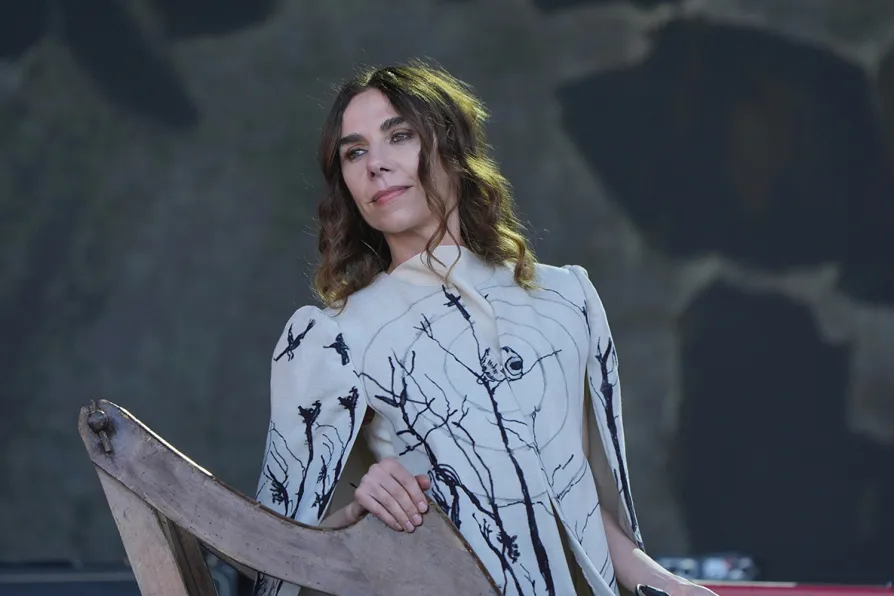
On January 2 2014, PJ Harvey used her turn as guest editor of the Today programme to expose the realities of war, arms dealing and media complicity. The fury that followed showed how rare – and how threatening – such honesty is within Britain’s most Establishment broadcaster, says IAN SINCLAIR
The collapse of the Atlantic Meridional Overturning Circulation poses an existential threat — but do today’s politicians have the capacity to deliver the more resilient and sustainable economics of tomorrow, wonders ALAN SIMPSON