Sovereignty and the rule of law are under threat from Trump’s attacks on Lula’s administration just as they have been across Latin America, argue CARLOS MARTINEZ and SARA VIVACQUA


 Latest editorial

New PM in Thailand amidst continued suppression of political dissent
The largest party in the country’s parliament, the Move Forward Party, was forced to disband and its leaders were banned from politics for 10 years for demanding reforms in a law which makes criticism of the monarchy in any form a punishable offence, writes ABDUL RAHMAN
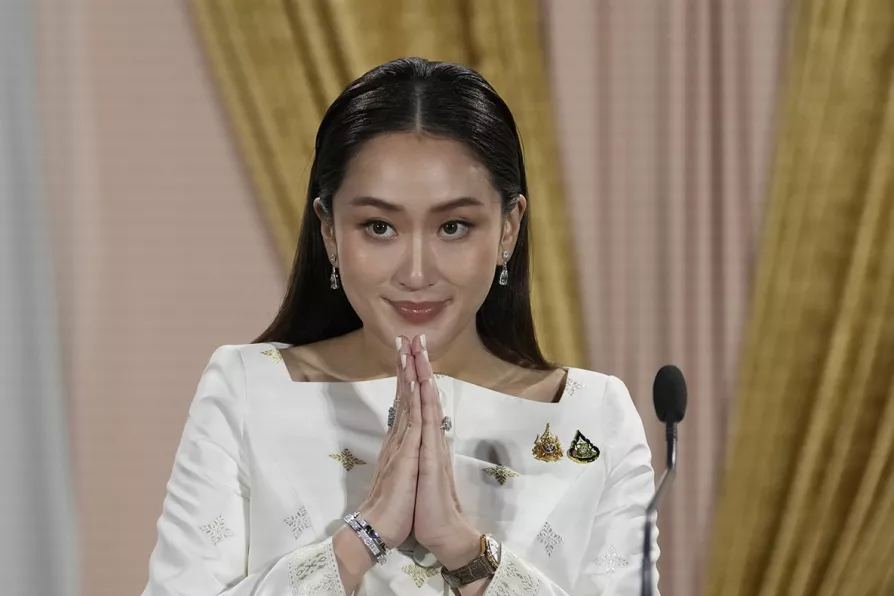 Thailand's new Prime Minister Paetongtarn Shinawatra talks to media members after receiving a royal letter of endorsement for the post at the Pheu Thai party headquarters in Bangkok, Thailand, Augusy 18, 2024

Glasgow will remember the martyrs of the 1787 strike this weekend in speech and song, their spirit is sorely needed today, writes JIM LISTER
ALEX BROWN explains how medieval Europe was plunged into sunless years, with widespread crop failures and devastating famines
Police crackdowns on Israeli peace demonstrators combined with court rulings and settler organisations are designed to strip Palestinian families of their homes and land. The Israeli state has tried to silence both Israelis and Palestinians who resist, according to Zo HaDerekh (This Is The Way) the Communist Party of Israel’s Hebrew-language weekly
Remembering a legendary trade unionist and inspirational leader
Communists in Australia, Britain and the US outlined a joint state agreement against their governments’ militarist provocations.





PAETONGTARN SHINAWATRA became the 31st prime minister of Thailand on Sunday August 18, two days after the country’s parliament elected her, marking yet another change in the government strongly influenced by the country’s military and royalists.
At 37, she is the youngest prime minister, second woman to hold the post, and third from her family, after her father Thaksin Shinawatra (2001-06) and her aunt Yingluck Shinawatra (2011-14). Both her father and aunt were removed from power by the military and the constitutional court and went to live in exile.
Paetongtarn’s acceptance of the post of the prime minister was backed by almost all members of the royalists and pro-military members of the parliament which could indicate some arrangement between the Pheu Thai, her party, and the military-royalists in the country.

Similar stories
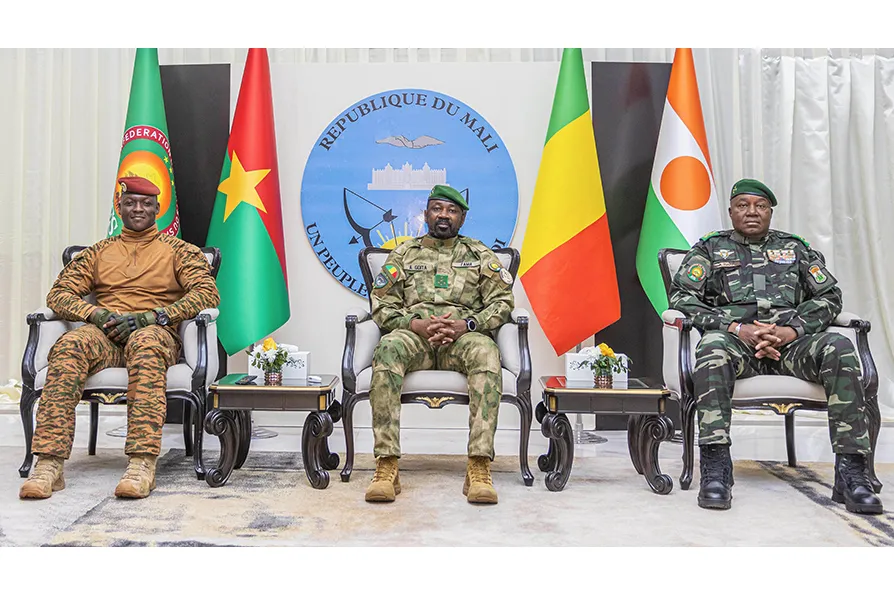
NICHOLAS MWANGI highlights a historic turning point in Sahelian sovereignty, as Burkina Faso, Mali and Niger bolstered their regional security through a unified military force
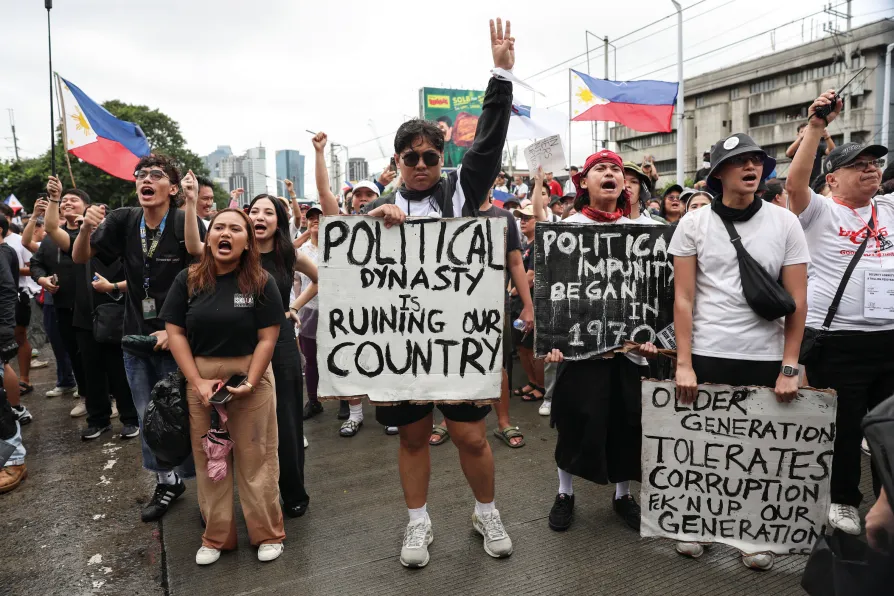
Huge protests against corruption and preventable deaths during flooding have rocked the government — the masses are not likely to be able to take direct control in their own interests yet, writes KENNY COYLE, but it’s a promising show of people power
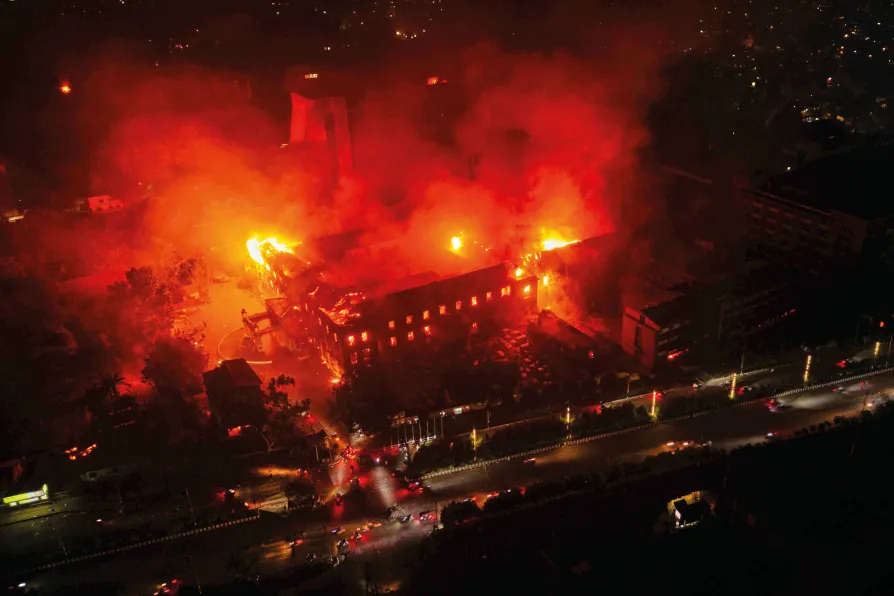
Following the resignation of Nepali Prime Minister KP Oli amid mass youth-driven protests, different narratives have circulated which simplify and misrepresent the complexities and reality on the ground in Nepal at the roots of this crisis, argue VIJAY PRASHAD and ATUL CHANDRA
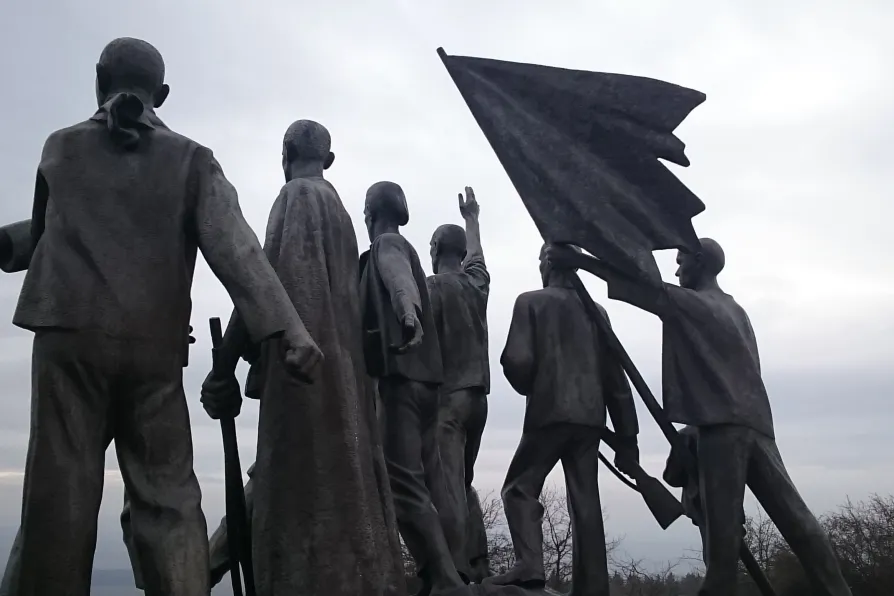
The decision highlights the tension between freedom of expression and the state’s role in shaping historical memory at former concentration camps, reports LEON WYSTRYCHOWSKI