

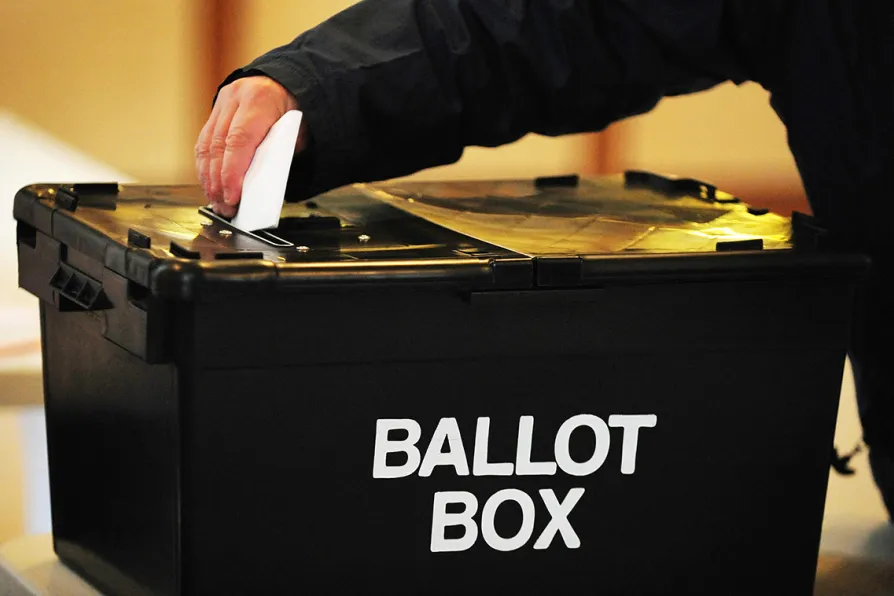
 A voter placing a ballot paper in the ballot box






REGIONAL mayors will get new powers and be elected by the “preferential” voting system again under the government’s new devolution Bill.
MPs and campaigners welcomed the plans to scrap the current first-past-the-post voting system to instead have voters indicate multiple candidates in order of preference, with these choices weighted or used as contingency votes.
Mayors’ new powers under the Bill include responsibility for developing local economic plans and will gain control over licensing for e-bikes and planning decisions to “set the direction of growth.”
They would also be able to impose “development orders” to speed up developments, while new “mayoral development corporations” are intended to streamline implementation and attract investment.
Alex Sobel, chairman of the all-party parliamentary group for fair elections, said: “Since the Tories imposed first-past-the-post on mayoral elections, it has failed to fairly represent voters, undermined the ability of mayors to speak for their whole communities, and therefore eroded trust in politics.
“By committing to changing this, the government has wisely taken a step in the right direction, but first-past-the-post is just as flawed when it comes to general elections.
“The government should set up a national commission on electoral reform to find a fair, representative way forward.”
The Bill would also introduce a “community right to buy” through which communities have the first option to purchase local assets such as pubs and shops that are placed on the market.
Clauses in commercial leases, which enforce “upward only” rent reviews, will be banned in a bid to keep small businesses afloat, helping to end the “blight of vacant high streets” and anti-social behaviour.

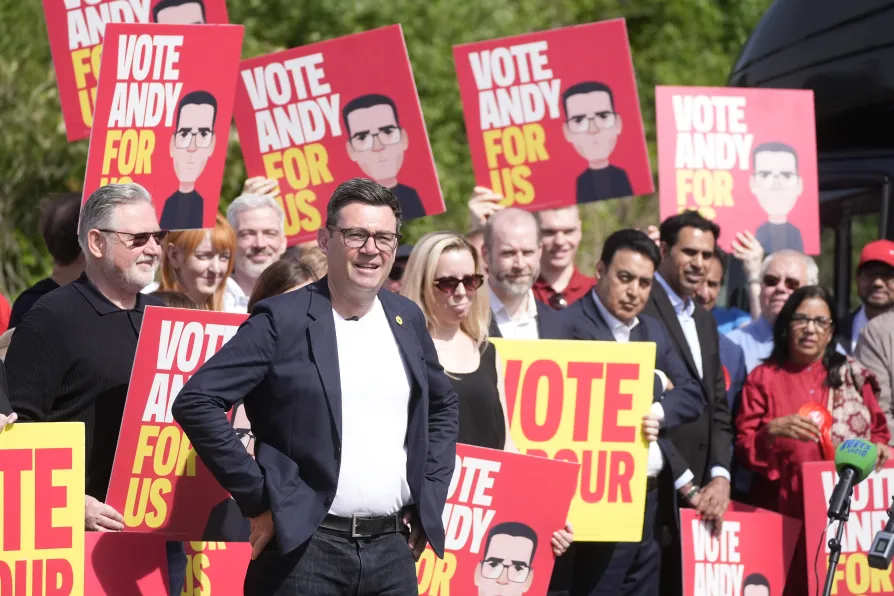
Burnham launches his campaign to return to Westminster

With a political crisis engulfing the Labour Party, the case for PR is back on the agenda. TONY BURKE argues trade unions must now engage on changes to our voting system
In the run-up to the Communist Party congress in November ROB GRIFFITHS outlines a few ideas regarding its participation in the elections of May 2026
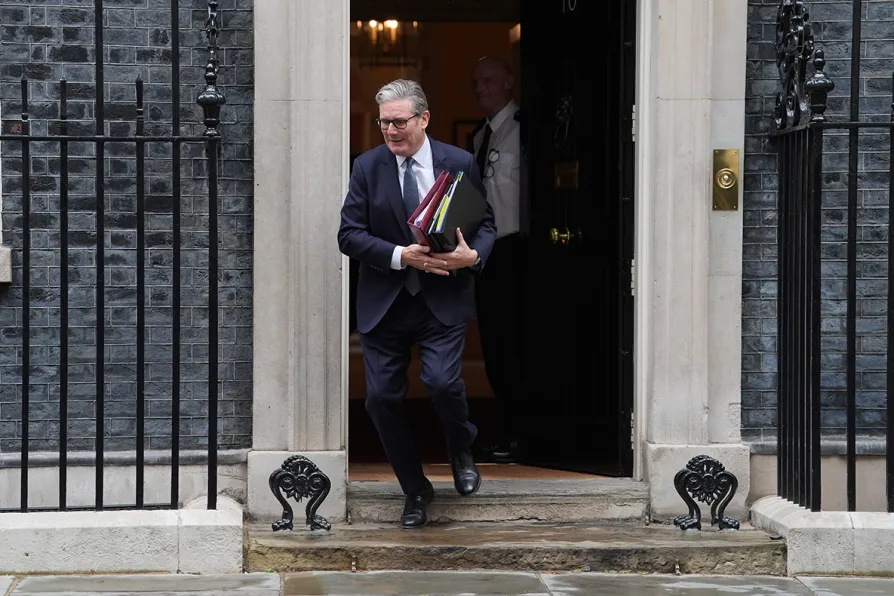
From Gaza complicity to welfare cuts chaos, Starmer’s baggage accumulates, and voters will indeed find ‘somewhere else’ to go — to the Greens, nationalists, Lib Dems, Reform UK or a new, working-class left party, writes NICK WRIGHT