
The UK Prime Minister may have the regal touch in northern England, but he’s been wrong-footed on the constitutional challenges posed by the Celtic Alliance of first ministers from Scotland, Wales and Northern Ireland, argues KENNY MacASKILL

Let’s remember the case against assisted suicide
CHRIS WHITEHOUSE argues that changes being put forward to legally allow assisted dying cannot be considered separately from the social conditions that cause the elderly, poor and unwell to suffer while alive

NEIRLAY ANDRADE, a member of the Communist Party of Venezuela’s political committee, outlines her party’s position on the crisis facing the country
A look at Taylor Wimpey’s accounts shows why Labour’s market-led housing strategy won’t deliver more, cheaper homes, as promised, says SOLOMON HUGHES
DAVID HORSLEY remembers the remarkable life and death of US black revolutionary George Jackson, whose politically passionate prison letters were published as Soledad Brother
Cuban trade union federation CTC leader OSNAY MIGUEL COLINA speaks to Ben Chacko about life and work under a crippling US siege
A part of the British empire’s network of slavery, today the Caribbean island of Nevis faces a new form of exploitation in the form of crypto-colonialism, CLAUDIA WEBBE writes
Challenges from the unscrupulous misuse of AI to steal actors’ voice and physical likenesses is being met with a firm union response, writes LYNDA ROOKE





IN 2015, the last major attempt to legalise assisted suicide in Britain was resoundingly defeated in the House of Commons with a vote of 330 against and 118 in favour. At the time, Jeremy Corbyn spoke against the Bill, saying to supporters: “This Bill would put the most vulnerable people at risk.”
Pointing to the flaws in our social care system, Corbyn was rightly fearful of how legalised assisted suicide would impact vulnerable members of society. “I don’t believe we should be talking about assisted dying until our social care and health care systems have been improved sufficiently with a focus on the sick and elderly,” he added.
Fast forward to today, following the economic impacts of Covid-19, a health system that is on its knees, reports of horrific treatment of residents in care homes, and a cost-of-living crisis, and Corbyn’s words don’t seem radical enough for our current economic climate.

Similar stories

HOPE VIRGO of campaign Dump the Scales warns MPs voting today they should be alert to the threat legalised assisted death poses to people with eating disorders

ELLEN CLIFFORD of Disabled People Against Cuts takes the Morning Star through the serious deficiencies which leave vulnerable people at lethal risk
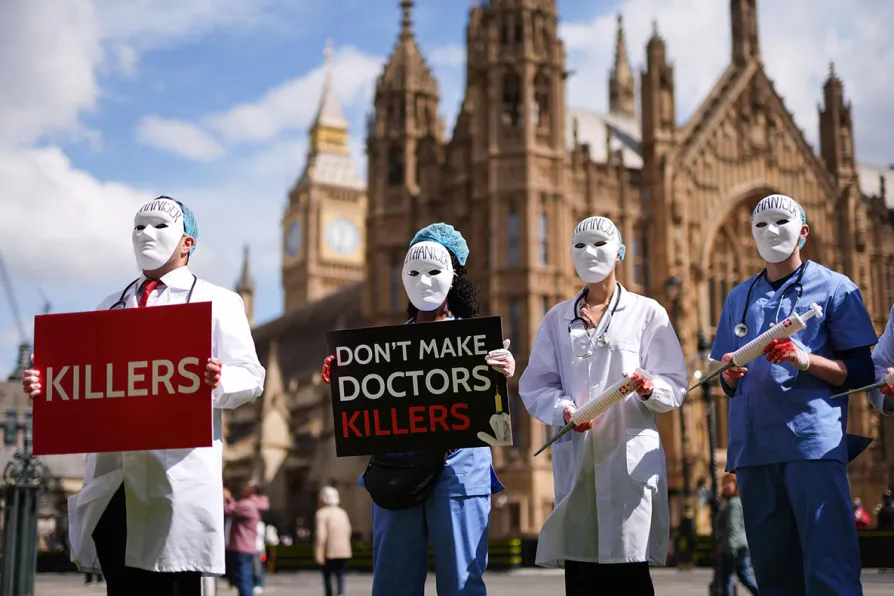
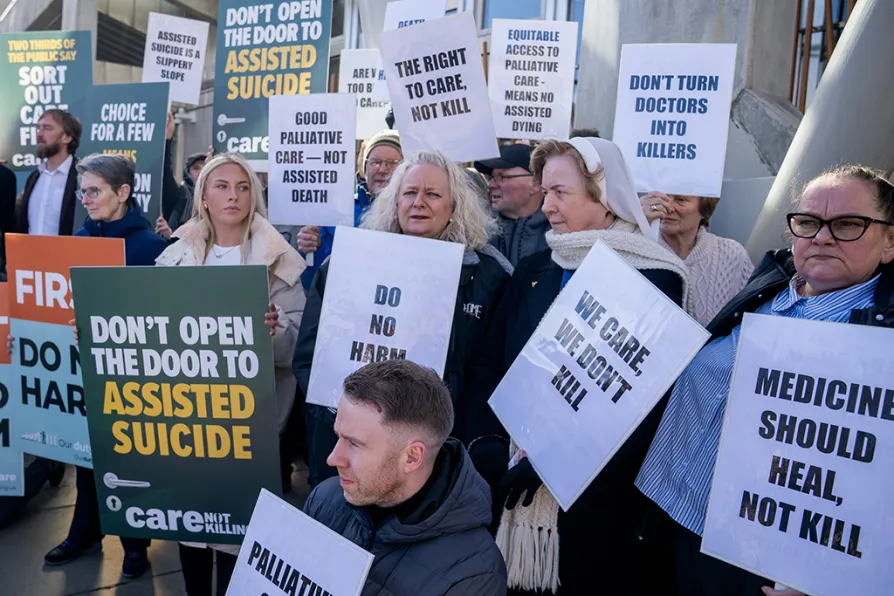
The new prime minister has shown a willingness to reconsider his previous views on assisted suicide and focus on improving care services. CHRIS WHITEHOUSE hopes other MPs will do likewise