PAUL DONOVAN applauds an intriguing multi-layered depiction, dominated by a stunning impersonation of Marilyn herself


 Latest editorial

Landmark new translation of Capital
JON BALDWIN introduces a new translation of Karl Marx’s masterwork that is readable, relatable and refreshed
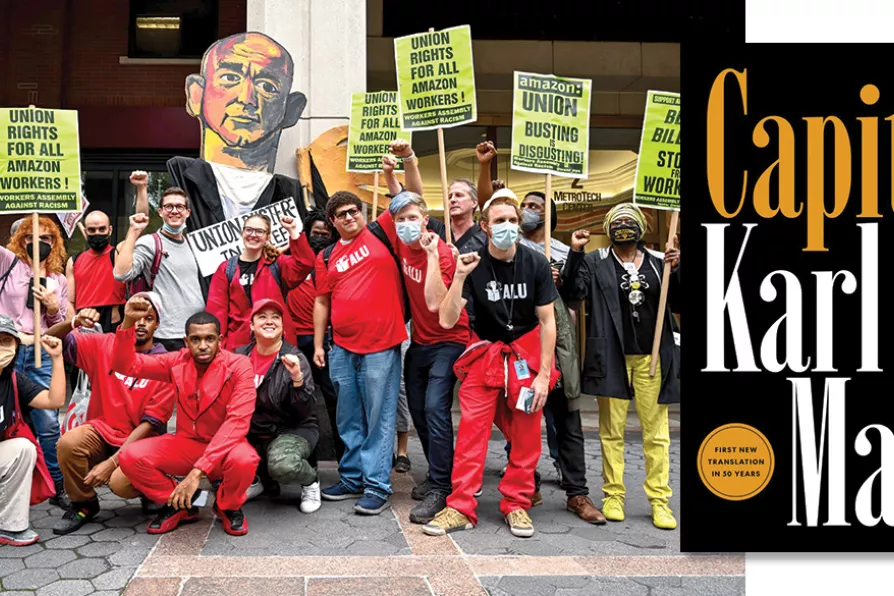 RESISTANCE CREATES CONSCIOUSNESS: Amazon warehouse workers on Staten Island at the National Labor Relations Board, in October 2021, petitioning it to authorise a union vote
[Joe Piette/flickr/CC]
RESISTANCE CREATES CONSCIOUSNESS: Amazon warehouse workers on Staten Island at the National Labor Relations Board, in October 2021, petitioning it to authorise a union vote
[Joe Piette/flickr/CC]

LEO BOIX applauds an audacious, self-questioning film about grief, friendship and film-making
MARY CONWAY admires a brave and topical study of Armageddon that is, unfortunately, unable to come to a conclusion
ANDY HEDGECOCK, JAMES WALSH and JAMIE BRITTON review Hanging by a Wire, I Want Your Sex, The Pout-Pout Fish, and Rise of the Foot Soldier: Retribution
Chris Searle speaks to US pianist RAN BLAKE
The Bard hands out medals for his Edinburgh campaign and urges us to support The Men They Couldn’t Hang





Capital: Critique of Political Economy, Volume 1
By Karl Marx, translated by Paul Reitter, Princeton University Press, £35
The first English translation in 50 years of Karl Marx’s Capital Volume 1 was published several months ago by Princeton University Press. Translated by Paul Reitter, this version is the only one based on the last German edition revised by Marx himself.
Reitter, in his Translator’s Preface, suggests that previous translations had difficulties in consistently handling Marx’s neologisms, held limiting policies such as noun-to-noun translation, fell short in rhythm and cadence, missed a certain sarcasm, and failed in “preserving the vividness and resonant qualities of the language in Capital.”
The upshot is a more readable, relatable, and refreshed Capital, that is more conversational, with Marx’s own style visible. In a thoroughgoing analysis of production, money, the commodity form, surplus-value, machinery, wages, accumulation, colonisation, and so forth, Marx historises, contextualises, and uncovers exploitative aspects of political economy that bourgeois economists had concealed, naturalised, and presented as inevitable.

Similar stories
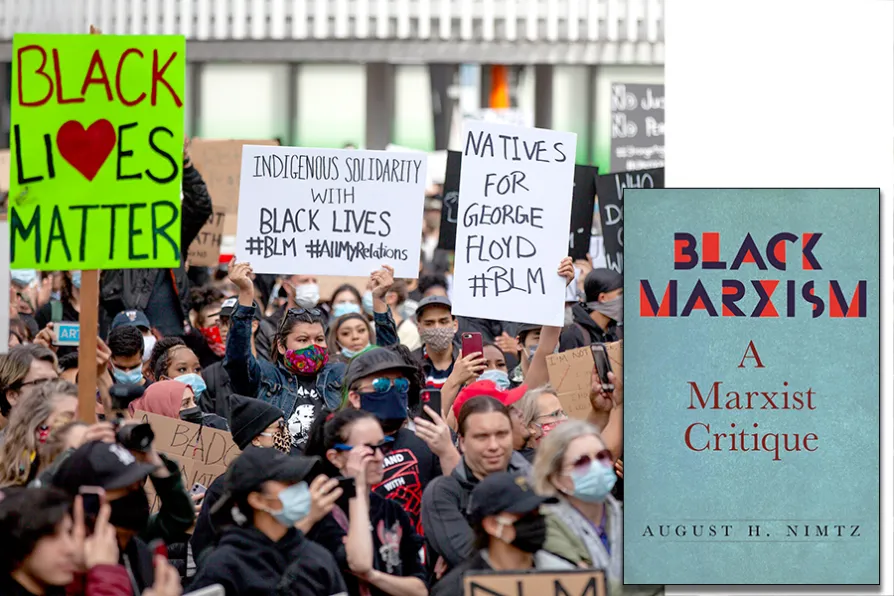
SETH SANDRONSKY recommends a Marxist critique of the ‘race-first’ views of the influential black US theorist Cedric Robinson
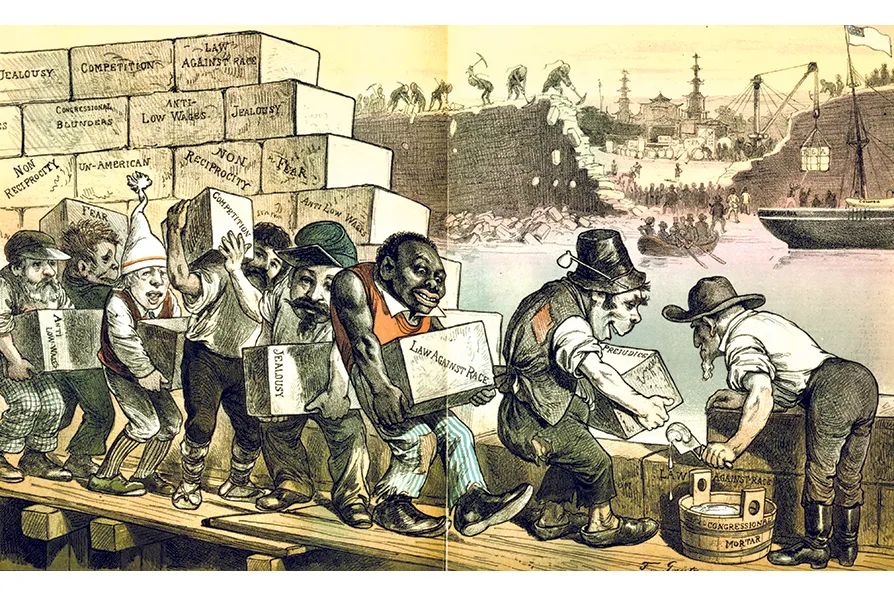
ROY WILKES takes issue with those on the left who argue immigration lowers wages — dividing resident and migrant workers only strengthens capitalist exploitation
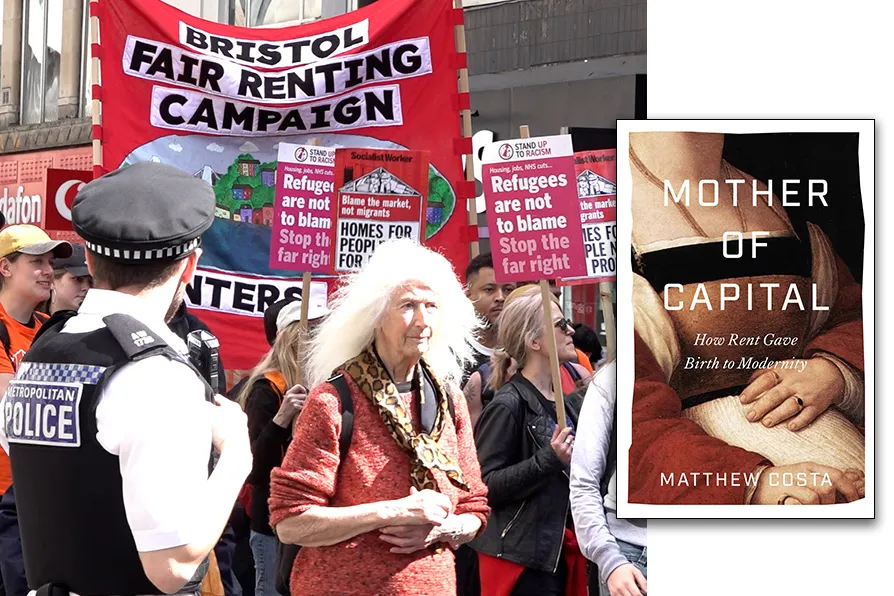
ALEX HALL is fascinated by a lucid and historically convincing account of how rent has dominated capitalist economies from feudalism to modernity
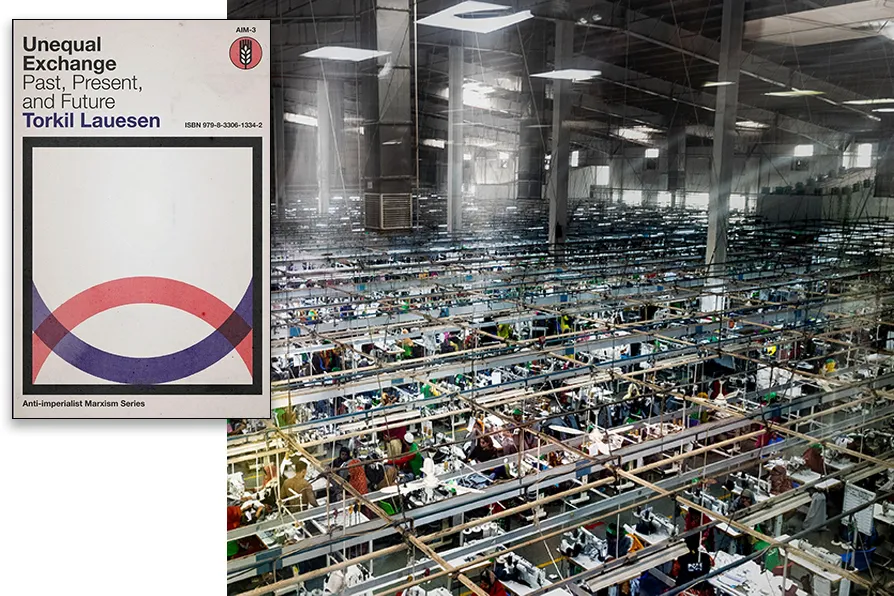
MARTIN GRAHAM welcomes, with reservations, a scholarly addition to the unfinished business of understanding how capital works on a world scale