Washington’s inability to subjugate Iran is an example of how it is trying to preserve a regional order that no longer exists, argues RAMZY BAROUD


Labour’s dangerous continuity with Tory militarism
The Prime Minister’s reckless stance on long-range missiles and uncritical support for Israel threaten to escalate conflicts, warns Campaign for Nuclear Disarmament general secretary KATE HUDSON

 Labour leader Sir Keir Starmer meets British soldiers at Salisbury Plain in Wiltshire where he saw Ukranian soldiers being trained by the army as part of Operation Interflux, August 24, 2022


US financial instability is exposing the limits of a dollar-dominated global economy — and giving the Global South a historic chance to build an alternative, says MURAD QURESHI
DOUG NICHOLLS says the parasitic finance markets must be challenged or another British government could be toppled
The late country singer’s Imagination Library has put hundreds of millions of books into children’s hands. We should build on that legacy by defending the libraries at the heart of our communities, says BRENDA AITCHISON
Deprivation is a fundamental factor in criminal behaviour that must be addressed but, KENNY MacASKILL argues, there needs to a major rethink in sentencing to tackle overcrowding
MML director MEIRIAN JUMP outlines the recently refreshed library’s busy autumn schedule that ranges from book sales, archival exploration, community work with online education and the ever popular site tours
TONY BURKE surveys the shifting political landscape and the challenges Labour needs to address if it is to prevail in the 2028 federal elections





THE slick continuity of Labour’s policies with those of its Tory predecessor is striking. Whether it’s foreign policy, economic policy, or social policy — the question is, really, where has there been a break in continuity? Where is the change we need to benefit our communities, to restore and rebuild the lives, hopes, and opportunities of all of us?
As we head into Labour’s first conference as the party of government for 15 years, it’s clear that vision for change is absolutely absent. In its place comes a trumpeting of values that are alien to the best traditions of the labour movement — not least when it comes to foreign and defence policies.
Indeed, Labour’s position on so-called “defence” — actually war-fighting and militarism — is thoroughly reprehensible, underpinned by a rhetoric that is at times more extreme than that of the Tories.

Similar stories
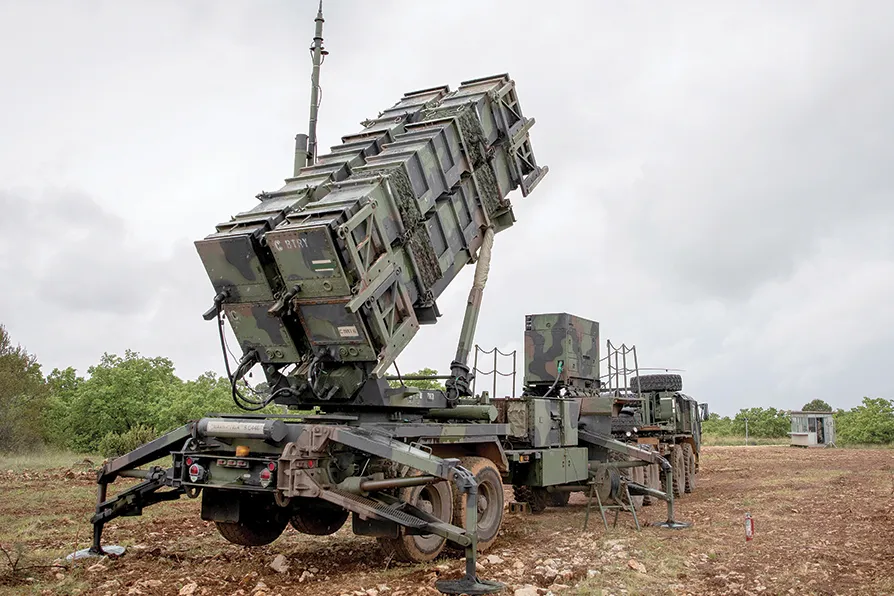
Today’s interconnected conflicts are enriching the arms industry while pushing the entire world towards permanent militarisation, argues ROGER McKENZIE

SOPHIE BOLT argues that spending more on military will harm rather than benefit Britain by diverting vital resources away from essential public services
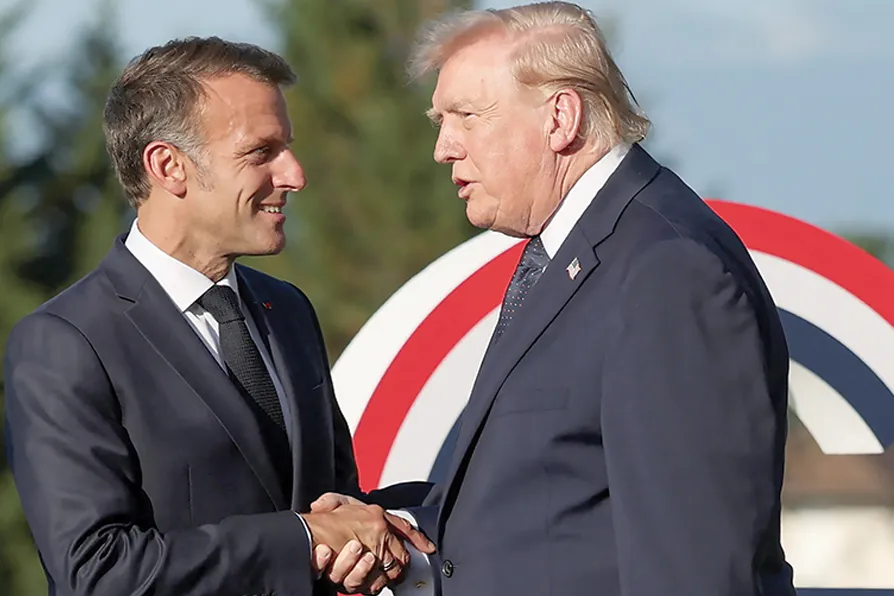
While millions face poverty and public services are squeezed, France is committing billions to defence spending and weapons production, in a dangerous shift towards permanent preparation for war, says CONOR BOLLINS