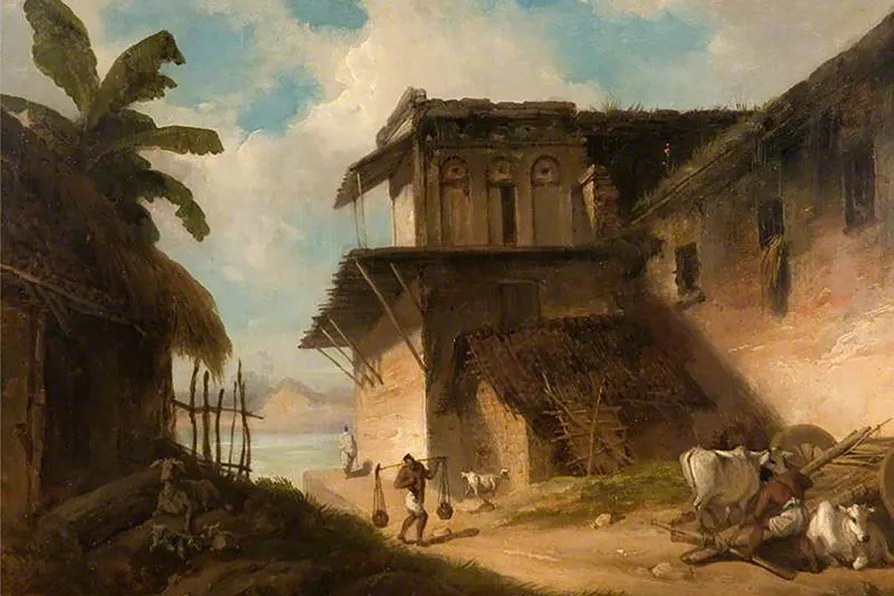
APURBA CHATTERJEE explains how British artists in India used the “picturesque” to reshape colonial landscapes and celebrate imperial power


 Latest editorial

Know the enemy
TONY CONWAY finds contemporary relevance in a study of fascism’s first steps as a political ideology in the UK
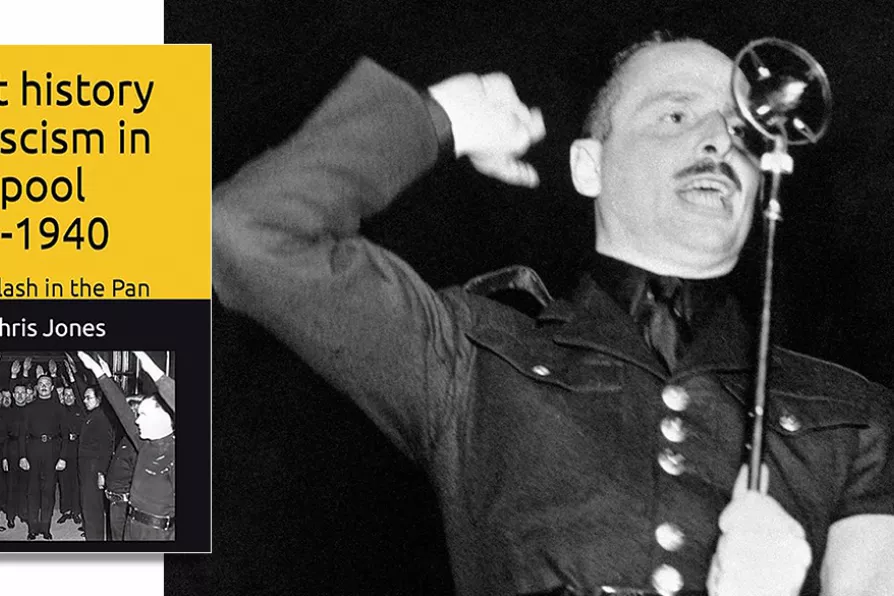 RULING-CLASS SPEARHEAD: Sir Oswald Mosley, the leader of the 'Blackshirts', the British Union of Fascists, addresses a meeting in the East End of London in 1936.
PAUL DONOVAN welcomes a revival of Reginald Rose’s classic play that reminds us of the fundamental need for trials with juries
SIMON PARSONS applauds an exceptional performance of Wesker’s little-known play, by the same actor for whom it was written 45 years ago
ANDY HEDGECOCK and MARIA DUARTE review Late Fame, The Death of Robin Hood, Leviticus, and Gail Daughtry and the Celebrity Sex Pass
ANGUS REID recommends a uniquely accomplished documentary collage that contemplates our relation to the natural world
GORDON PARSONS enjoys Kant’s ‘mind-boggling’ theory of human reality: that we create the reality we experience





Fascism in Liverpool 1923-1940: The Flash in the Pan
By Chris Jones
Self-published, £5
THIS admirable short history is, as the date suggests, an analysis of the main fascist parties in Liverpool in the period when fascism was on the March in Europe.
As the author demonstrates, fascism in Europe crossed the sea to disparate communities in Britain, among them the Italian diaspora in Liverpool. While it is asserted that the organisation came from the consulate in Liverpool, the author can find no documentary evidence of this. It is, however, worth noting that Mussolini appointed two ambassadors, both of whom at the time of appointment were fascists.
As the author states, fascism grew quickly in the 1920s as a reaction to the Bolshevik revolution. Leading parliamentarians such as Sir Robert Burton Chadwick were on the Fascist Grand Council.

Similar stories
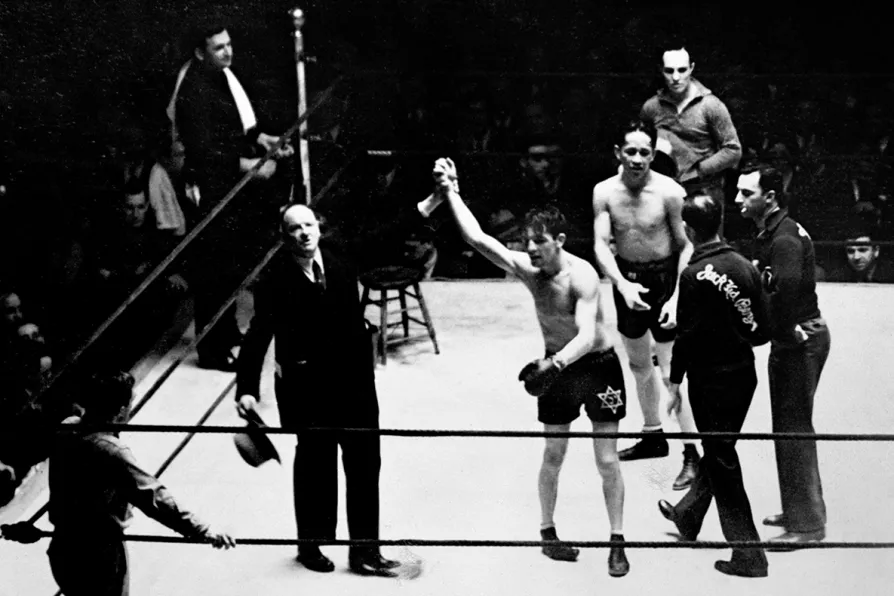
As antisemitism spread across Europe and the United States in the 1920s and 1930s, Benny Leonard and Jack ‘Kid’ Berg became symbols of hope and resilience, writes JOHN WIGHT
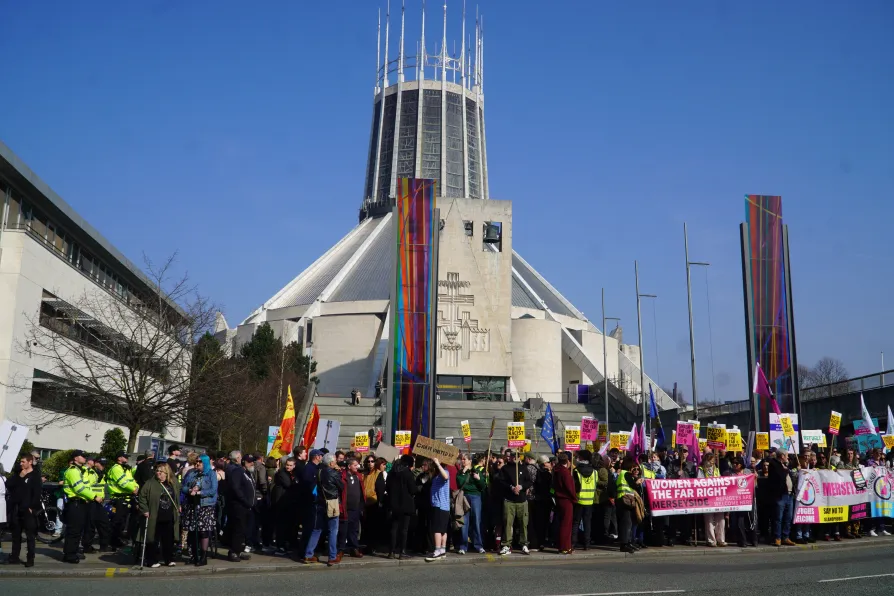

Once again Tower Hamlets is being targeted by anti-Islam campaigners, this time a revamped and radicalised version of Ukip — the far-right event is now banned by the police, but we’ll be assembling this Saturday to make sure they stay away, says JAYDEE SEAFORTH
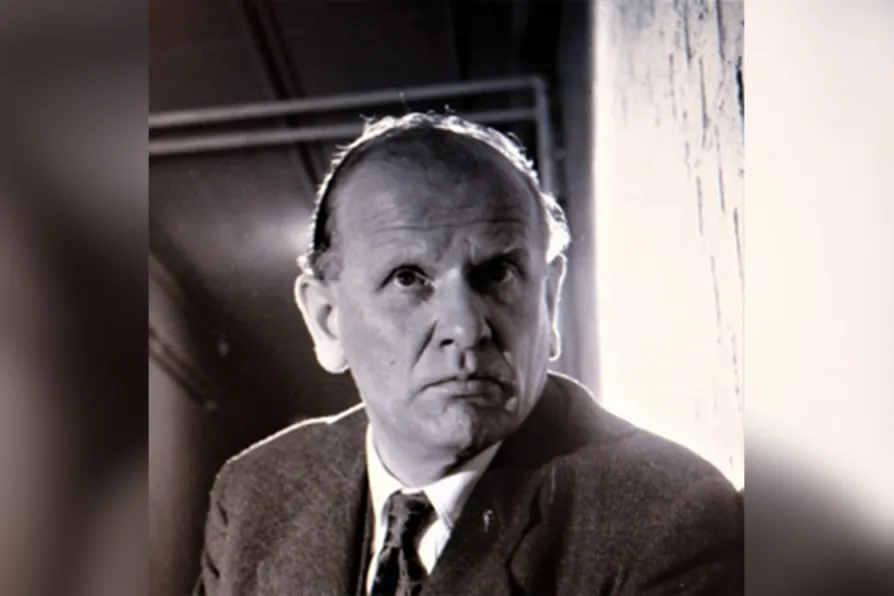
TONY FOX invites readers to come and hear the story of the remarkable Liverpudlian International Brigader Alexander Foote