Committee for the Defence of the Iranian People’s Rights general secretary GAWAIN LITTLE discusses the impact of the US-Israeli war on the Iranian people and economy


 Latest editorial

Italy's political crisis lays bare the gulf between the EU and democracy
JOHN HAYLETT reports on the situation in Italy and why a national debate on the country’s eurozone membership is now on the cards
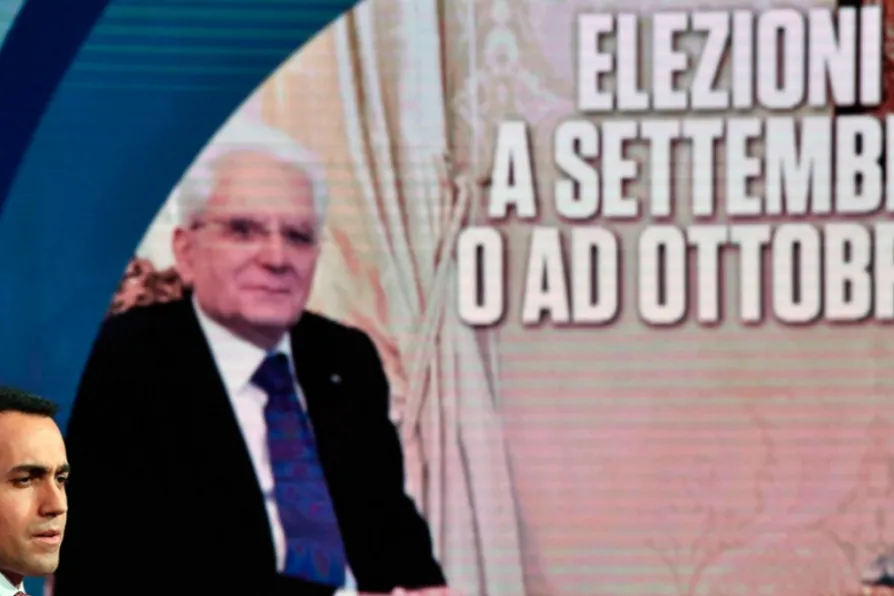 Luigi di Maio, leader of Italy's Five Star Movement, in front of an image of President Sergio Mattarella
Capitalism has extracted itself from crisis before, argues PRABHAT PATNAIK – but through methods no longer available. So it is turning to authoritarianism, militarism and neocolonialism
The five young men killed in the A66 crash were responsible for a devastating tragedy — but the crash should force us to ask difficult questions about wider society, argues RENATA MEDEIROS MIRRA
Britain funds the policing of black culture 16 times better than the culture itself. The Diamond Jubilee is the moment to end that, argues CLAUDIA WEBBE
Despite Andy Burnham’s declaration defending the continued partition of the island, all major international and internal trends are converging to make Irish reunification inevitable
Humans are part of the ‘animal kingdom’ – and of nature in general – but also distinct from it and labour (work) is part of what makes us unique, declared Engels. His insights 150 years ago into how our species came to be and how we differ from the rest of nature, are as important today as they were then, says the MARX MEMORIAL LIBRARY





ITALY’S current political upheaval has been a step-by-step instruction manual issued by the European Union and its local acolytes on how to turn a drama into crisis.
When President Sergio Mattarella used his constitutional power to reject the nomination of Paolo Savona by Prime Minister-designate Giuseppe Conte for the economy portfolio, he made clear that this was because of Savona’s previous backing for Italy’s exit from the eurozone.
Savona did indeed call Italy’s adoption of the euro an “historic mistake,” which is an opinion shared by growing numbers of people across Europe who feel it has largely benefited German economic expansion.

Similar stories
While Italy’s communist tradition remains fragmented and politically marginal, France’s party is attempting to re-establish itself as an independent force rooted in working-class organisation, says NICK WRIGHT
NICK WRIGHT continues his series analysing the trends in European politics
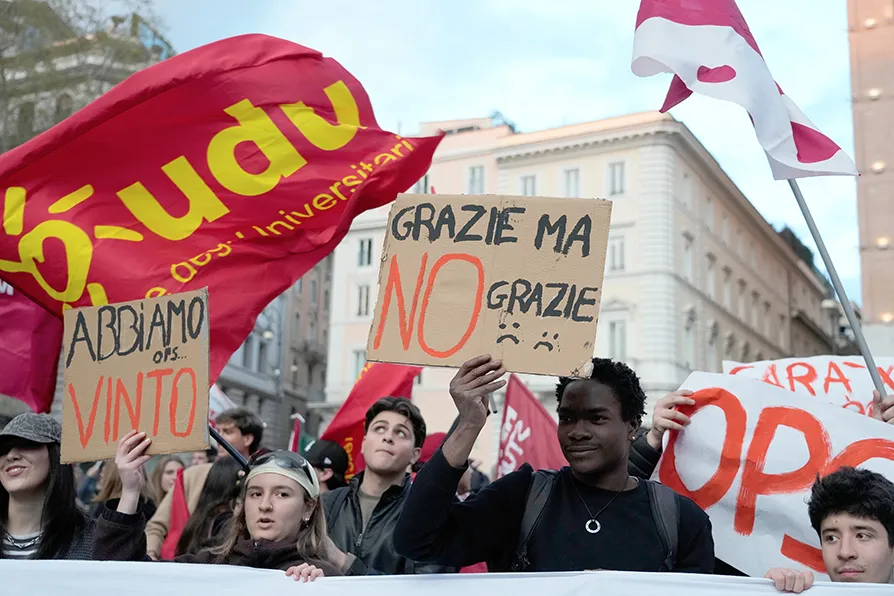
Italians reject controversial judiciary reforms in a referendum that boosts the left, reports NICK WRIGHT
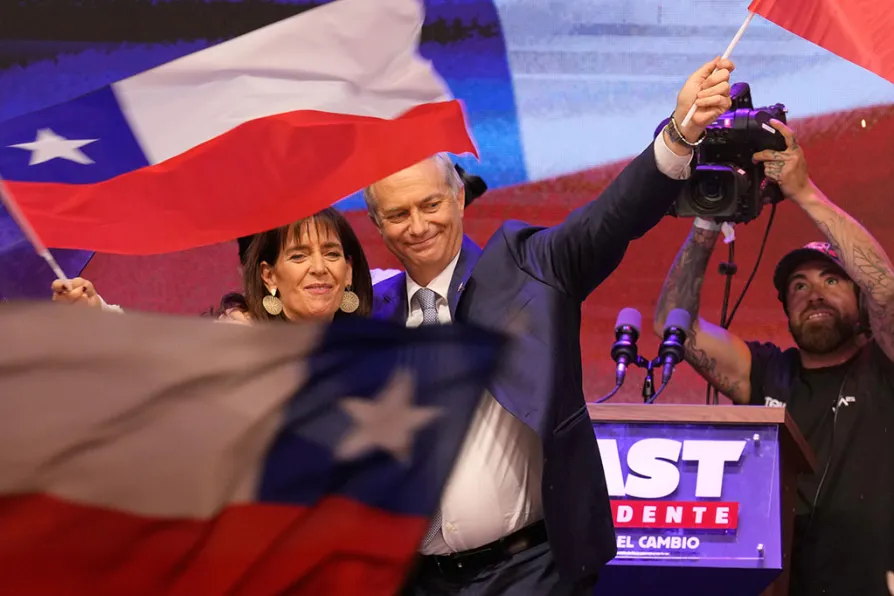
From Reform UK to Trump, Orban and beyond, the far right is organised across borders and growing. Waiting for it to collapse is a fatal error – building an international, locally rooted left alternative is now an urgent necessity., argues ROGER McKENZIE