A new generation of right-wing politicians have shifted from promoting deregulation to championing anti-migrant politics warns SOLOMON HUGHES


 Latest editorial

It is finally time to take legal action against Israel at the highest level
South Africa is right to invoke the Genocide Convention against Israel at the Hague, other countries should now support and follow, argues CLAUDIA WEBBE MP
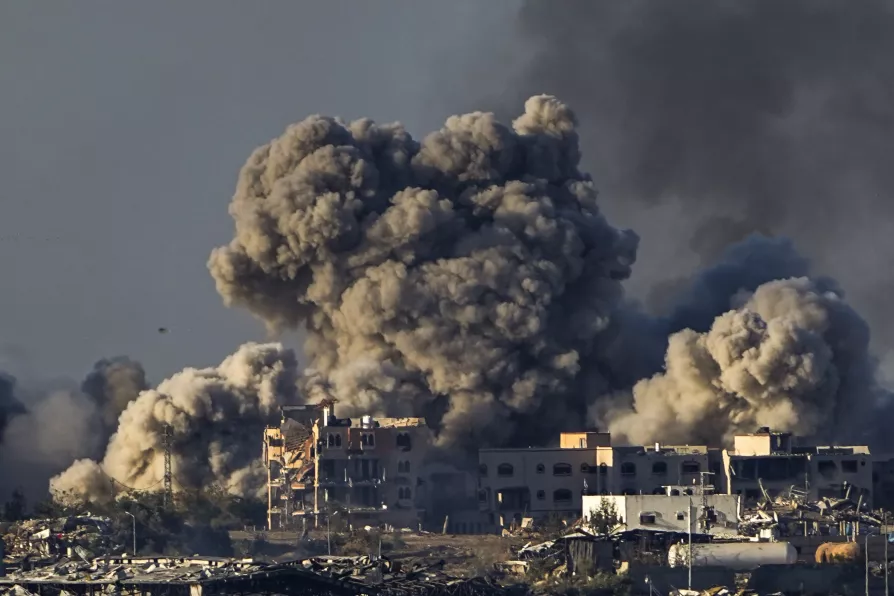 Smoke rises following an Israeli bombardment in the Gaza Strip, as seen from southern Israel, December 16, 2023
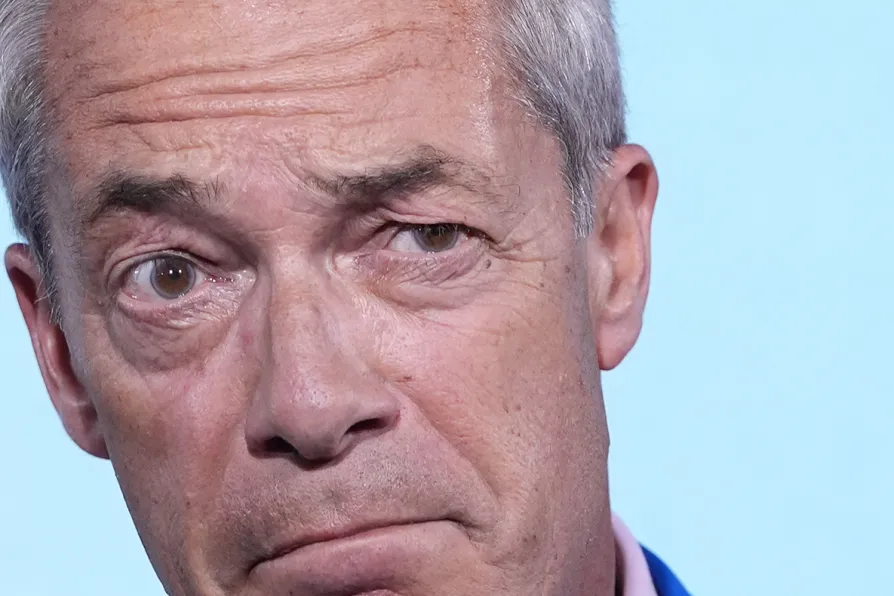
by the Greater Manchester Workers’ and Tenants’ Association
The US relationship with Israel has evolved into a strategic liability, argues RAMZY BAROUD
A champion motorcyclist, trade union organiser and communist, Clem Beckett went from Britain’s speedway tracks to the battlefields of Spain, where he gave his life resisting Franco’s forces at Jarama. GEOFF BOTTOMS pays tribute to this remarkable anti-fascist
The greatest threat to democracy may no longer come from political parties but from unelected tech oligarchs like Peter Thiel and his powerful Silicon Valley network, argues JOHN GREEN
Claiming to ease a fertiliser shortage, the Trump administration has suspended tariffs on Moroccan phosphate imports – deepening US support for the Morocco’s control over Sahrawi territory, writes LUKE ROTELLO





LAST WEEK, South Africa filed an application with the International Court of Justice (ICJ) instituting proceedings against Israel for “genocidal acts” against Palestinians in Gaza. It is right to do so, both morally and legally.
In analysing the case, it is worth clearing up a common confusion about whether Israel is subject to the International Court of Justice. Unlike the International Criminal Court (ICC), which prosecutes individual war crimes, the International Court of Justice is “the principal judicial organ of the UN… established by the UN charter in June 1945.”
Like any other UN member state, Israel is subject to its jurisdiction. The court consists of fifteen judges elected by the general assembly and the security council of the UN, who will decide the case.

Similar stories
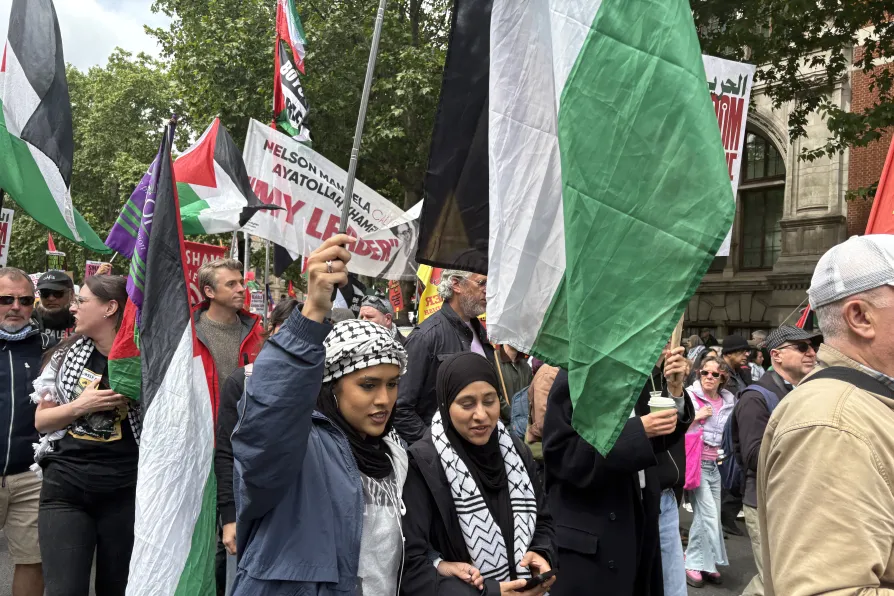
History suggests apartheid ends not through appeals to conscience alone but through sustained economic and political pressure, says HUGH LANNING

The Met Police's refusal to act against British nationals accused of war crimes in Gaza is a green light for Israel's genocide, writes CLAUDIA WEBBE
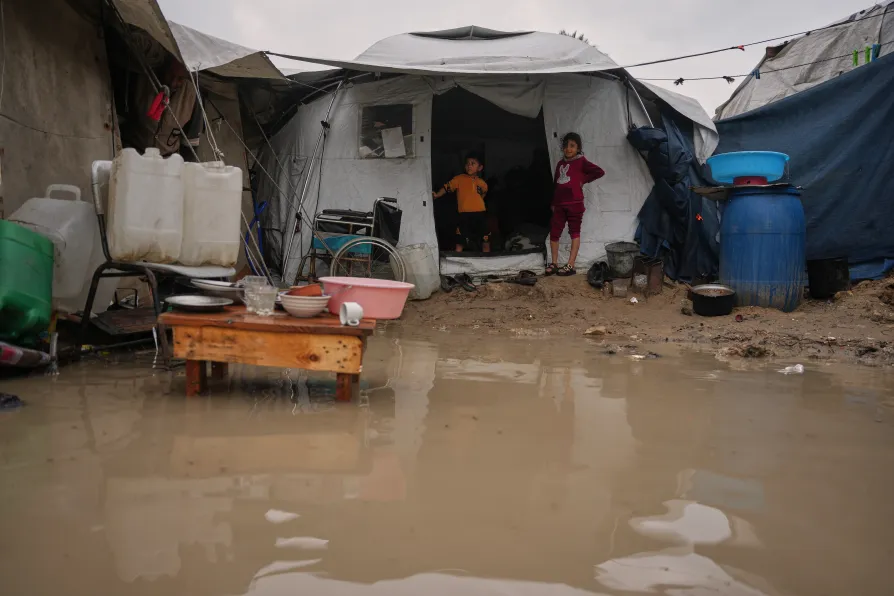
The catastrophe unfolding in Gaza – where Palestinians are freezing to death in tents – is not a natural disaster but a calculated outcome of Israel’s ongoing blockade, aid restrictions and continued violence, argues CLAUDIA WEBBE
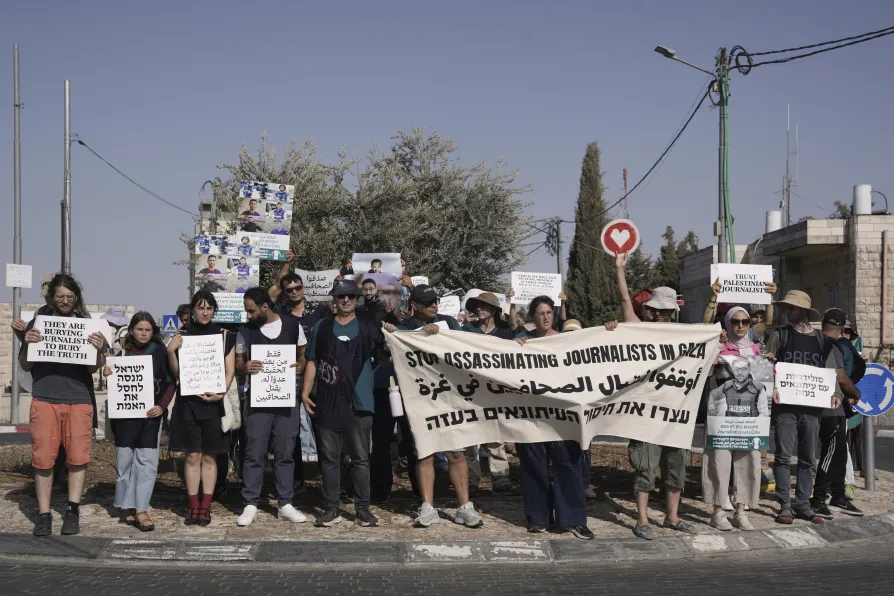
With foreign media banned from Gaza, Palestinians themselves have reversed most of zionism’s century-long propaganda gains in just two years — this is why Israel has killed 270 journalists since October 2023, explains RAMZY BAROUD