The greatest threat to democracy may no longer come from political parties but from unelected tech oligarchs like Peter Thiel and his powerful Silicon Valley network, argues JOHN GREEN


 Latest editorial
If the public knew they’d be appalled: the US health firms running privatised NHS mental healthcare
SOLOMON HUGHES shines a light on Cygnet Healthcare and its parent company Universal Health Services
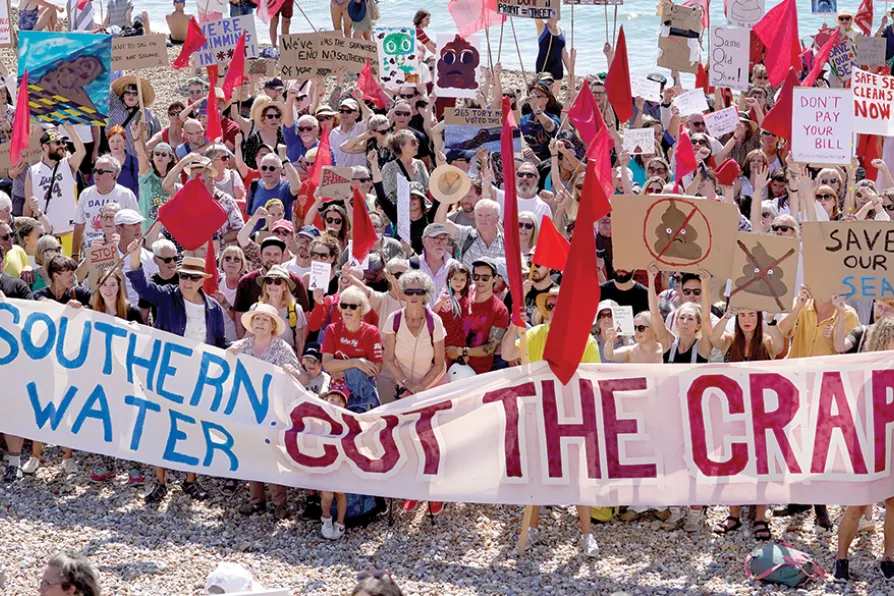 CONCERNS SET TO BE IGNORED: Protesters from Hastings and St Leonards Clean Water Action, in action on the beach in St Leonards, Sussex in August 2022
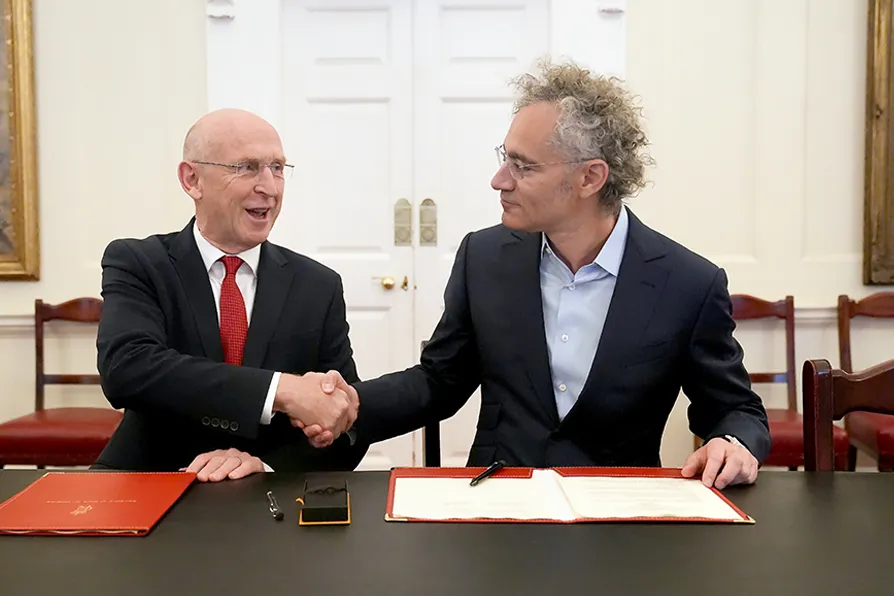
Today’s interconnected conflicts are enriching the arms industry while pushing the entire world towards permanent militarisation, argues ROGER McKENZIE
by Nana Backland, Merseyside Morning Star Readers & Supporters Group
The government’s Pip review looks like a carefully managed exercise in legitimising future cuts to disability support, argues Dr DYLAN MURPHY
The Tories introduced the 50% strike ballot threshold to make industrial action harder. MATT WRACK argues that a Labour government has no justification for leaving it on the statute book





AT THE end of April an inquest jury ruled that a patient who died after admittance to a privately owned psychiatric hospital near Weston Super Mare had received “gross failures” in her care.
Lily Lucas, a 28-year-old former mental health nurse, collapsed in Cygnet Healthcare’s Kewstoke hospital, and died the next day in Bristol Hospital, where she was taken after her collapse.
Lucas had complex and serious mental health difficulties which led to her death. But the “understaffed” Cygnet ward did not help: Lucas was drinking excessive amounts of water as part of her disturbance, which can be very dangerous.

Similar stories

PAOLO SANTALUCIA reports on how an Italian region defies US pressure to end a Cuban doctors programme

In the second part of her critique of Wes Streeting’s TenYear Plan for Health, HELEN MERCER looks at the central planks of this privatisation blueprint
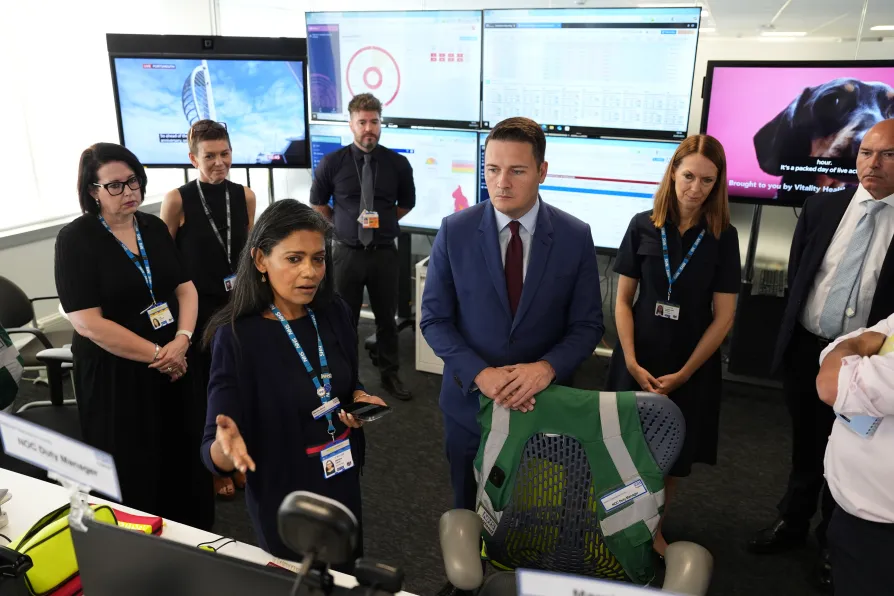
Politicians who continue to welcome contracts with US companies without considering the risks and consequences of total dependency in the years to come are undermining the raison d’etre of the NHS, argues Dr JOHN PUNTIS