
Trade unions need to step up and force a turn in the policies of the labour movement to effectively confront the far-right threat, argues NICK WRIGHT


GCHQ 40: the ban on trade unions in 1984
Ahead of next weekend’s march and rally, HUGH LANNING explains why the GCHQ struggle and eventual victory means so much to the British labour movement
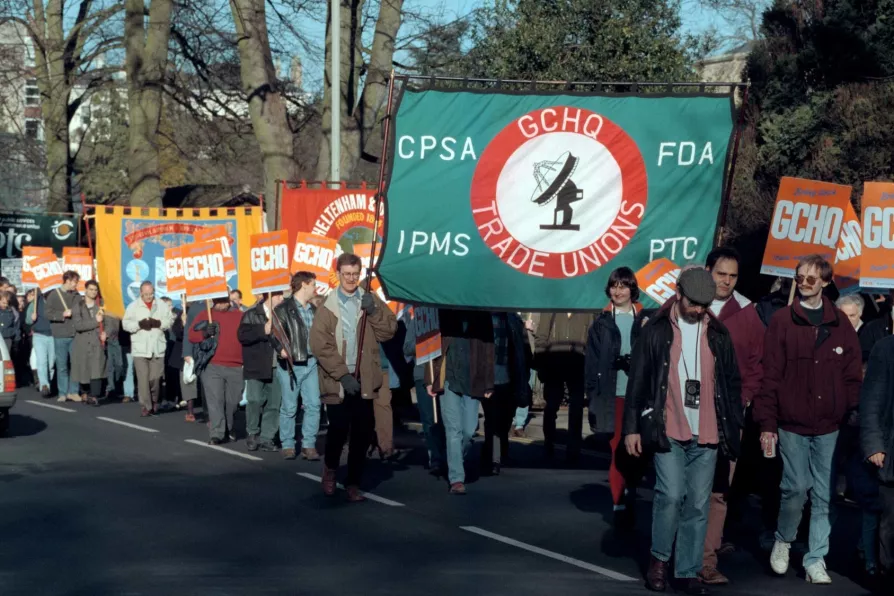
 The 13th Anniversary GCHQ March moves through Cheltenham, January 1997, to commemorate when trades unions fought against the government's decision in 1984 to band trades union membership at the communications and eavesdropping centre
As the 90th anniversary of the outbreak of the Spanish civil war is marked, Teesside campaigners will gather to remember the local men and women who stood against fascism, explains TONY FOX
Whatever differences exist among international sympathisers of the Bolivarian revolution about its current trajectory, they should unite against the imperialist power that is the source of an enforced retreat, argues ROGER D HARRIS
Washington’s inability to subjugate Iran is an example of how it is trying to preserve a regional order that no longer exists, argues RAMZY BAROUD
US financial instability is exposing the limits of a dollar-dominated global economy — and giving the Global South a historic chance to build an alternative, says MURAD QURESHI
Deprivation is a fundamental factor in criminal behaviour that must be addressed but, KENNY MacASKILL argues, there needs to a major rethink in sentencing to tackle overcrowding





IN 1984 no-one had heard of Government Communications Headquarters (GCHQ), the government’s then-secret intelligence-gathering centre — let alone that the staff were represented by trade unions.
All that changed on January 25 1984, when Margaret Thatcher’s government announced its decision to impose a total ban on trade union membership at GCHQ.
The decision came without warning or consultation, and it provoked a sustained campaign unparalleled in modern labour history. It ended in 1997 when, in one of its first decisions, the Labour government overturned the ban.

Similar stories

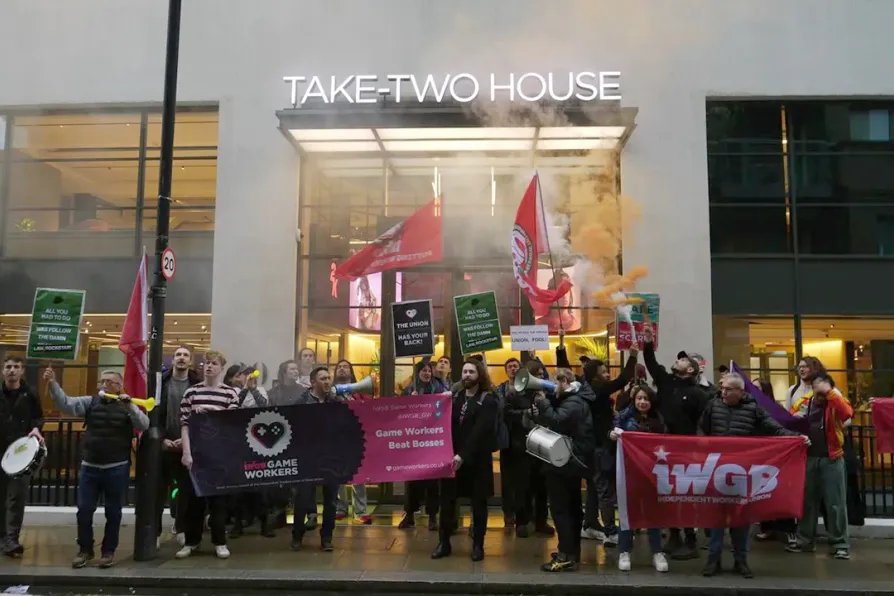
Strike Map co-founder HENRY FOWLER discusses the significance of today’s joint union letter to video game giant Rockstar, demanding trade union recognition for its workers. Their conversation highlights how our movement can harness its collective power to rebuild union power across the private sector

IAN LAVERY MP warns that decades of neoliberal policies have left former industrial communities behind — but a renewed Labour commitment to working people could change the political landscape
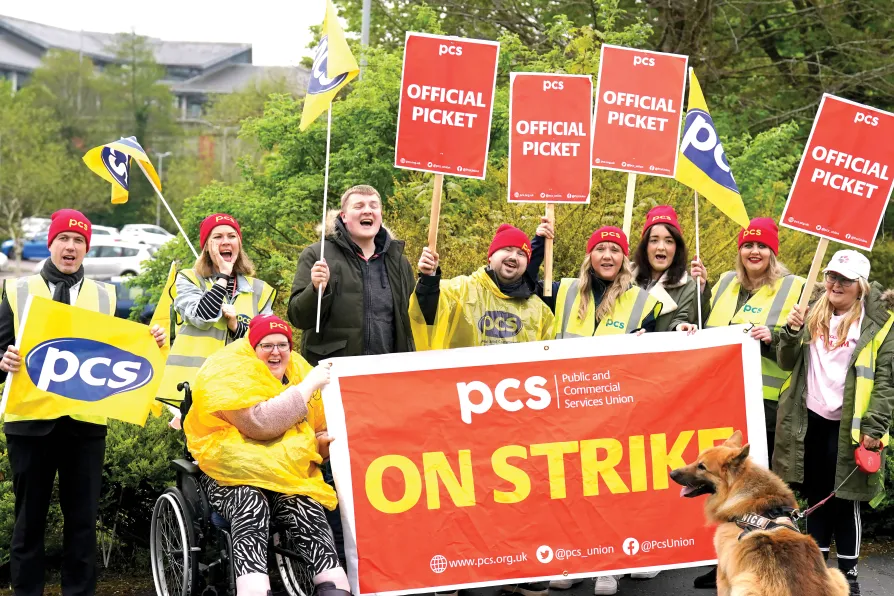
In part IV of a serialisation of his new book, JOHN McINALLY tells how austerity minister Francis Maude’s attempt to destroy the PCS Civil Service union totally backfired