State machinery was widely employed to secure favourable outcomes in India’s recent regional elections against three progressive regional governments who dared to challenge Narendra Modi, asserts VIJAY PRASHAD


 Latest editorial

Filipino movements fear greater repression as ruling class debates ‘red tagging’
Despite critical statements by officials in the current and incoming presidencies on red tagging, land defenders and activists have raised concerns about the possibility of greater state repression in the coming days, reports PEOPLES DISPATCH
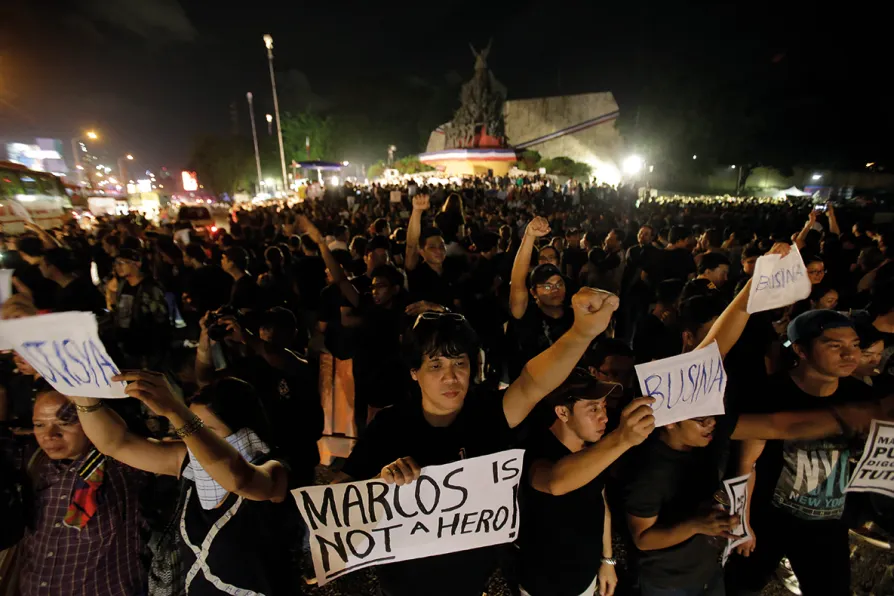 Crowds protest the burial of dictator Ferdinand Marcos in 2016 — but this year voters elected ‘Bongbong’ Marcos Jr, his son
It is too early to assume a US defeat in Iran — we must prepare for a long anti-war struggle, argues JOHN ROSS
ROGER McKENZIE says the ANC needs to respect South Africa’s Communists and their decision to stand independently at elections
KENNY MacASKILL remembers the woman who first translated The Communist Manifesto into English
The election offers a critical chance to shape the future of pay, care and community provision in Wales, says Unison’s JESS TURNER
As Scotland heads to the polls, the main parties offer variations on the same script, says MATT KERR





JUST WEEKS ahead of the inauguration of president-elect Ferdinand Marcos Jr, or Bongbong Marcos, red tagging has re-emerged as a national debate in the Philippines. In what is being seen as a possible shift in attitudes within the ruling dispensation, Menardo Guevarra, Justice Secretary in the outgoing Rodrigo Duterte administration, called the practice of red tagging dangerous.
Speaking at an online news forum, Guevarra said that the practice only endangers people who are “vocal about their own political views.” Red tagging is a controversial practice employed by the state security apparatus and anti-insurgency agencies of labelling individuals or groups as affiliated to the banned Communist Party of the Philippines (CPP) or its armed wing, the New People’s Army (NPA).
The practice often leads to harassment and even violent attacks by government bodies and vigilantes, often without substantial evidence. Numerous killings of activists, trade unionists, indigenous leaders and local journalists by the security forces or armed vigilantes have been attributed to unsubstantiated accusations of communist affiliations made by state agencies.

Similar stories
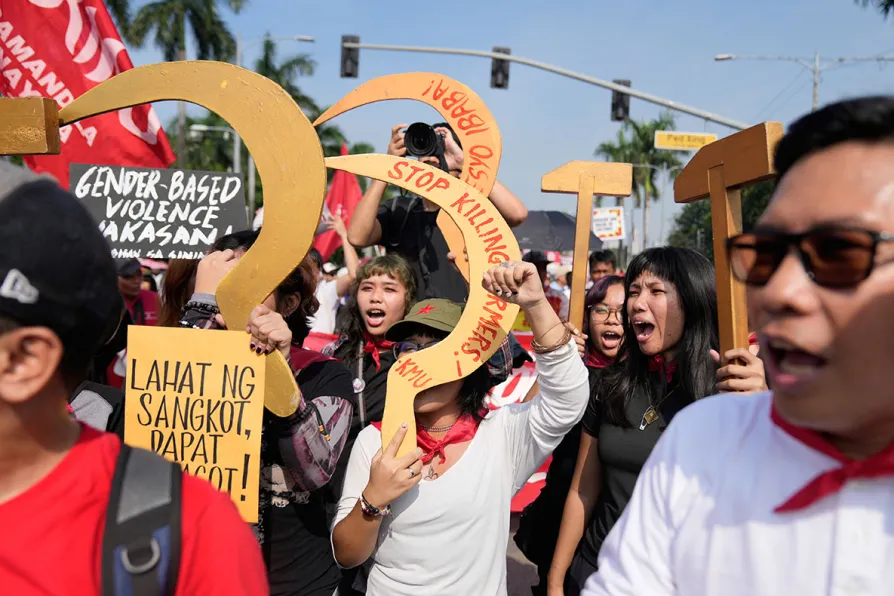
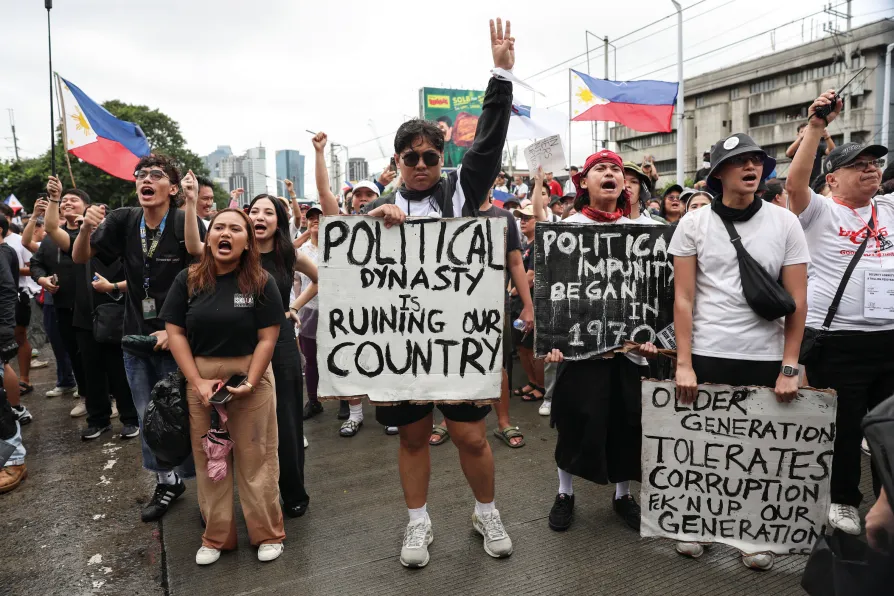
Huge protests against corruption and preventable deaths during flooding have rocked the government — the masses are not likely to be able to take direct control in their own interests yet, writes KENNY COYLE, but it’s a promising show of people power
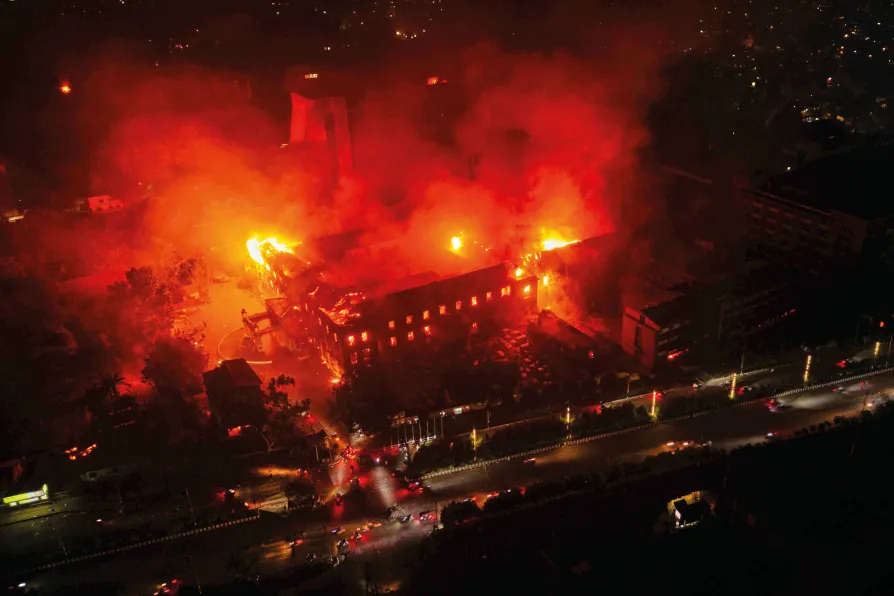
Following the resignation of Nepali Prime Minister KP Oli amid mass youth-driven protests, different narratives have circulated which simplify and misrepresent the complexities and reality on the ground in Nepal at the roots of this crisis, argue VIJAY PRASHAD and ATUL CHANDRA

A judge in a German court ruled that the ban activity imposed on renowned Dr Ghassan Abu-Sittah was unlawful, reports LEON WYSTRYCHOWSKI