
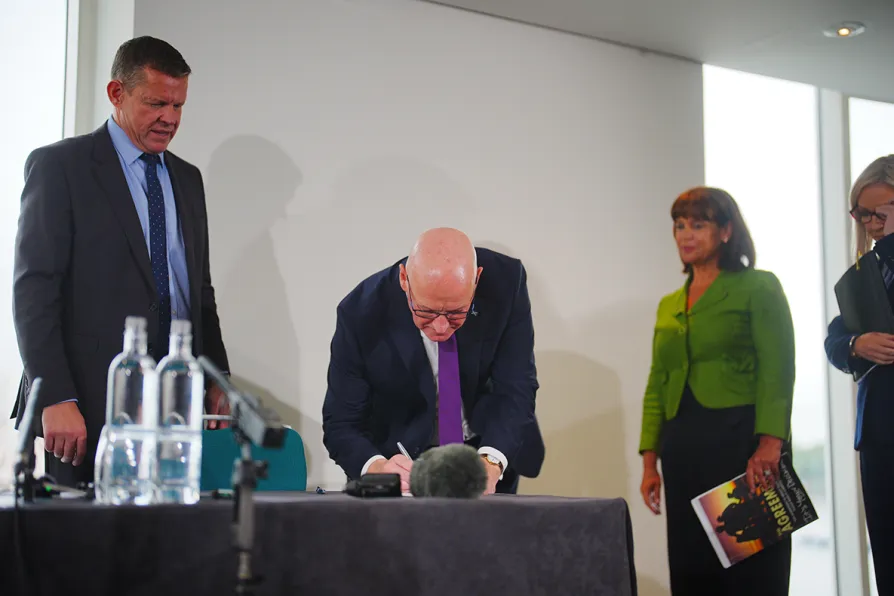
The UK Prime Minister may have the regal touch in northern England, but he’s been wrong-footed on the constitutional challenges posed by the Celtic Alliance of first ministers from Scotland, Wales and Northern Ireland, argues KENNY MacASKILL

What is ‘fictitious capital’?
Today stocks, shares and other securities are completely divorced from actual products. What started as a promise to repay loans has become entirely spurious, explains the MARX MEMORIAL LIBRARY


NEIRLAY ANDRADE, a member of the Communist Party of Venezuela’s political committee, outlines her party’s position on the crisis facing the country
A look at Taylor Wimpey’s accounts shows why Labour’s market-led housing strategy won’t deliver more, cheaper homes, as promised, says SOLOMON HUGHES
DAVID HORSLEY remembers the remarkable life and death of US black revolutionary George Jackson, whose politically passionate prison letters were published as Soledad Brother
Cuban trade union federation CTC leader OSNAY MIGUEL COLINA speaks to Ben Chacko about life and work under a crippling US siege
A part of the British empire’s network of slavery, today the Caribbean island of Nevis faces a new form of exploitation in the form of crypto-colonialism, CLAUDIA WEBBE writes
Challenges from the unscrupulous misuse of AI to steal actors’ voice and physical likenesses is being met with a firm union response, writes LYNDA ROOKE





“FAIRY gold” in kids’ fables is magic money — a fortune that soon crumbles to be revealed as leaves, dust or worthless rubbish. More colloquially, it is precarious or illusory wealth that may vanish as swiftly as it is acquired. That was certainly the case with some speculators following the global banking crisis of 2007–2008.
The real victims, of course, were ordinary working-class families who lost their savings, their homes, their jobs and, sometimes, their lives as a consequence.
The crisis wasn’t some kind of aberration. Marx pointed out that while crises are endemic to capitalism, those involving what he called “fictitious capital,” a subset of financial capital, were central.

Similar stories
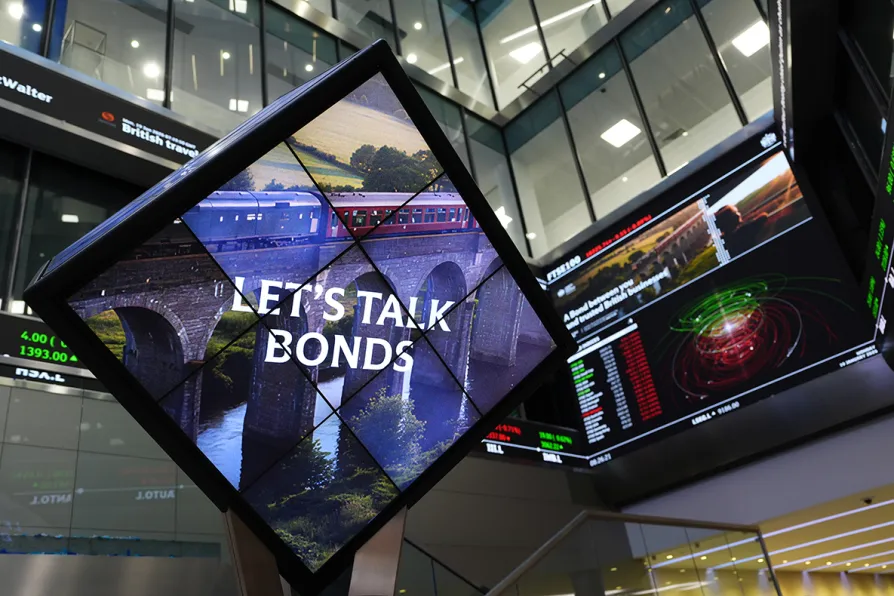
DOUG NICHOLLS says the parasitic finance markets must be challenged or another British government could be toppled
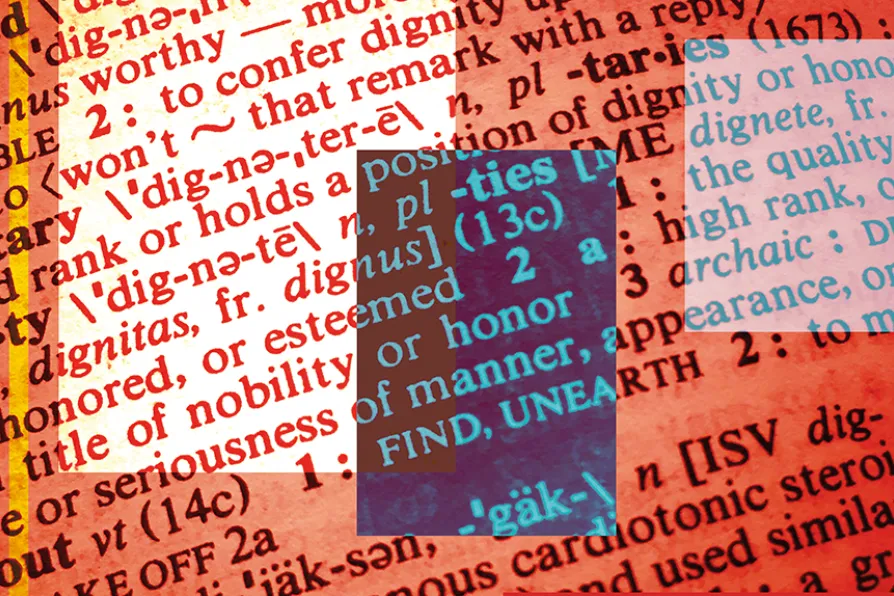
Dignity is important to all humans, argues the Marx Memorial Library and Workers’ School, but it does not come about automatically. In a less than perfect world, dignity can accompany suffering, but the collective dignity of working people is achieved through acting together to change the world.

Elon Musk says AI will make work optional. The world of abundance he predicts actually spells the end of the capitalist system, argues FAWZI IBRAHIM
The social base of the old Tory Party has disappeared as surely as that of Labour, argues ANDREW MURRAY – today’s right are the debased offspring of a capitalism that speculates without investing and profits without producing