Committee for the Defence of the Iranian People’s Rights general secretary GAWAIN LITTLE discusses the impact of the US-Israeli war on the Iranian people and economy


 Latest editorial

A century of sectarianism — but the end is in sight
NICK WRIGHT assesses the fortunes of the ‘British’ statelet in the North of Ireland as unionism’s descent approaches terminal velocity
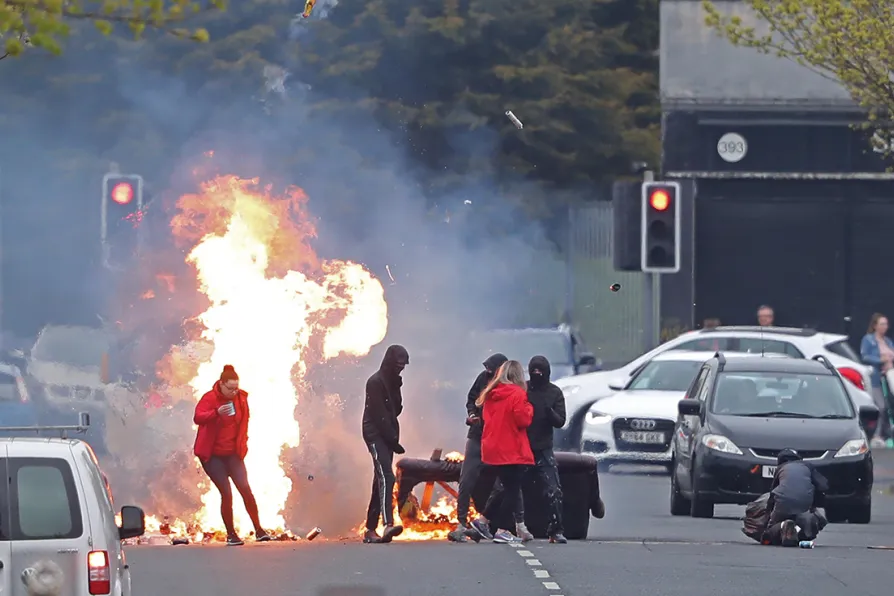 BREAKDOWN: Loyalist rioting on the Shankill Road earlier this year
Capitalism has extracted itself from crisis before, argues PRABHAT PATNAIK – but through methods no longer available. So it is turning to authoritarianism, militarism and neocolonialism
The five young men killed in the A66 crash were responsible for a devastating tragedy — but the crash should force us to ask difficult questions about wider society, argues RENATA MEDEIROS MIRRA
Britain funds the policing of black culture 16 times better than the culture itself. The Diamond Jubilee is the moment to end that, argues CLAUDIA WEBBE
Despite Andy Burnham’s declaration defending the continued partition of the island, all major international and internal trends are converging to make Irish reunification inevitable
Humans are part of the ‘animal kingdom’ – and of nature in general – but also distinct from it and labour (work) is part of what makes us unique, declared Engels. His insights 150 years ago into how our species came to be and how we differ from the rest of nature, are as important today as they were then, says the MARX MEMORIAL LIBRARY





TODAY is the centenary of the partition of Ireland. This brutal act was accompanied — as became routine with Britain’s slow-burn crisis of imperial rule as its colonial subjects sought national liberation — with great violence.
How Ireland became a colony of the British crown is a story of savagery and theft. The Plantation of Ulster — the most Gaelic part of the island — was carried out in the reigns of Henry VIII, Elizabeth I and James I (VI of Scotland), and the working out of this tragedy of avarice has reached the present crisis in the reign of the second Elizabeth.
The new settlers, who largely forced the existing occupants from their land, were mostly required to be English-speaking, Protestant and loyal to the crown. The invasion was not confined to the Northern province of Ulster but it was in this part of the Irish mainland where it was most thoroughly instituted by the occupation authorities.

Similar stories

Despite Andy Burnham’s declaration defending the continued partition of the island, all major international and internal trends are converging to make Irish reunification inevitable
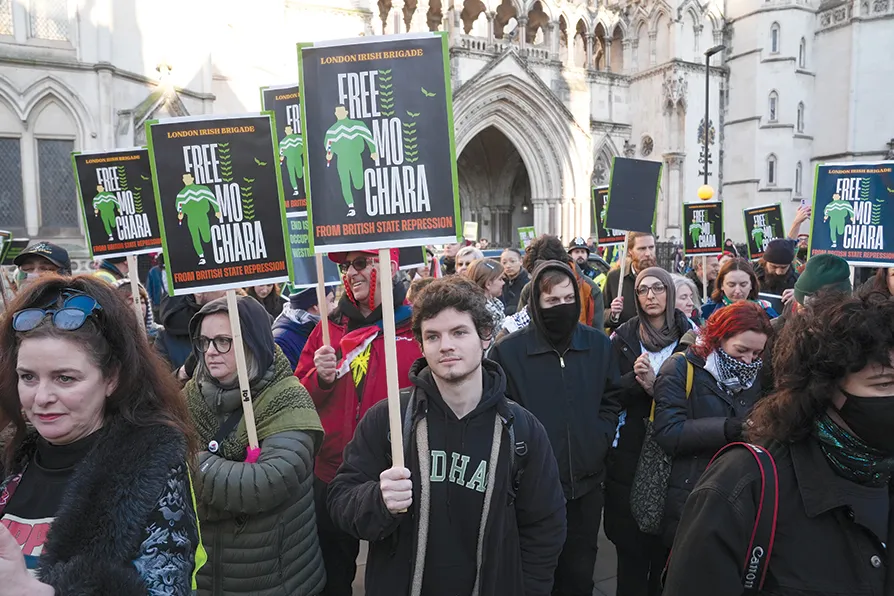
AARON SMITH discusses why the Protestant diaspora are still part of Yeats’s ‘Indomitable Irishry’, and an integral part of any future united Ireland.
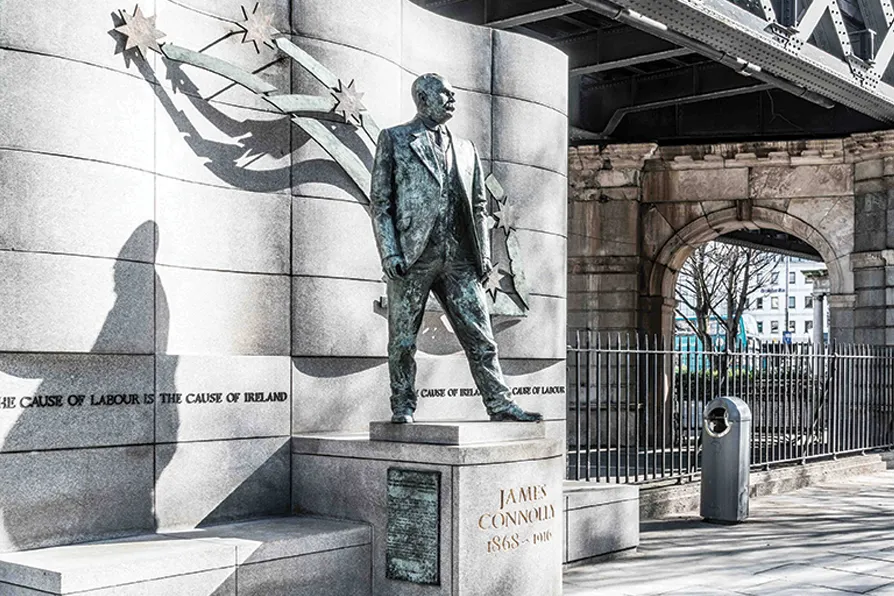
A new group within the NEU is preparing the labour movement for a conversation on Irish unity by arguing that true liberation must be rooted in working-class solidarity and anti-sectarianism, writes ROBERT POOLE
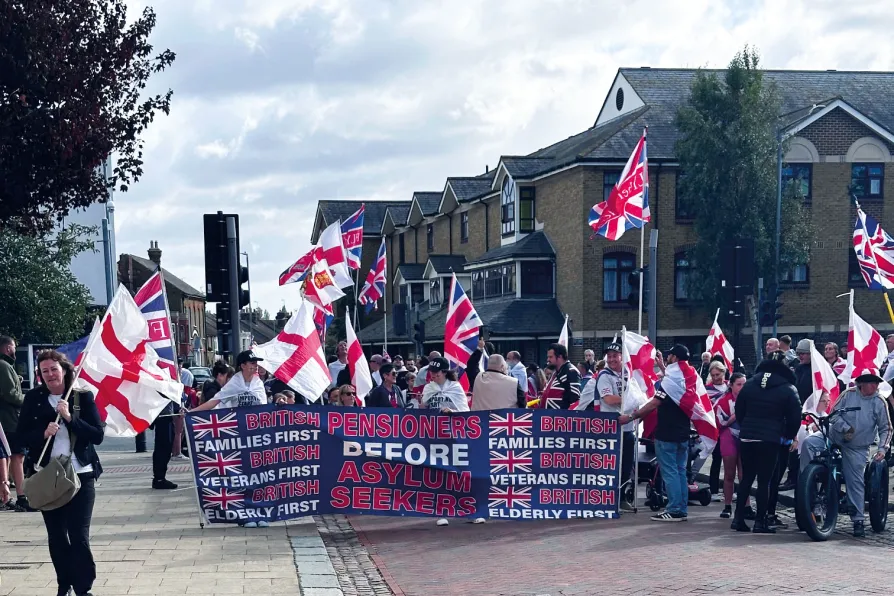
Once again, our broad-based coalition outnumbered the anti-migrant protest in Faversham, but tackling the sentiment behind this wave of anger requires explaining the real reasons pushing millions into leaving their homelands, argues NICK WRIGHT