ROB WARZYNIAK wades knee deep through a pile of ‘dead canaries’ of Trumpist policies which exacerbated the horrors of US capitalism domestically


 Latest editorial

Bollywood and the Indian right
The superstars of Indian cinema are flirting with the far-right, Hindu-supremacist ideology of the ruling BJP party, warns BHABANI SHANKAR NAYAK
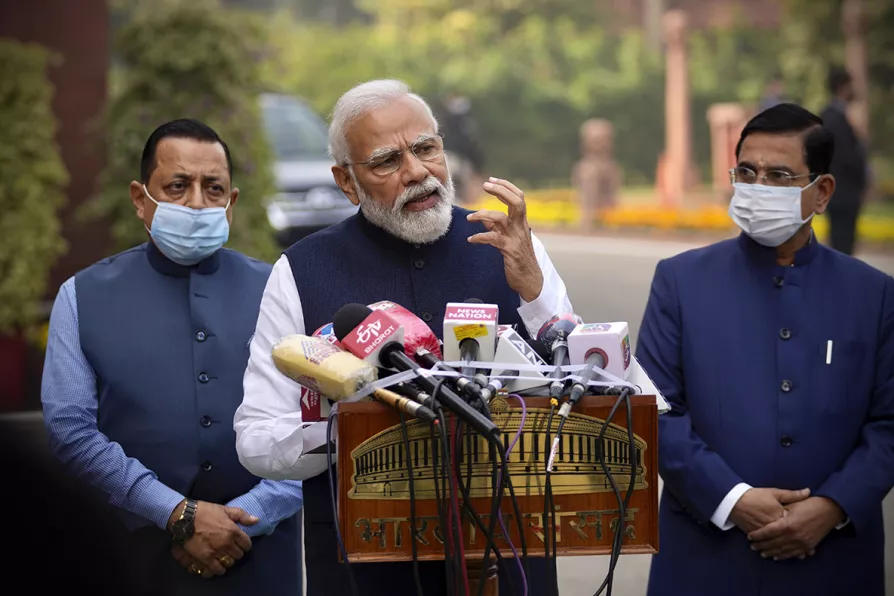 ndian Prime Minister Narendra Modi, addresses the media as he arrives to attend the opening day of the winter session of Parliament in New Delhi, India, Monday, November 29

Without evidence or Nato consultations Berlin’s answer to the Leipzig incident is a rupture of relations. SEVIM DAGDELEN examines why
FRANCISCO DOMINGUEZ introduces the background to a conference on defending Latin America’s sovereignty
The glacier collapse in Nepal is yet another warning that a warming planet is making Himalayan disasters more frequent and destructive – but the countries facing the greatest risks are often those least responsible, says LI YANG
Nick Blair is set to benefit from a hugely lucrative contract to ‘virtually’ train the British army for its next war. Like father, like son, writes SOLOMON HUGHES
Even when tragedy strikes, Western media cannot resist the opportunity to turn it into a sordid propaganda opportunity, as the Nepal-China border tragedy shows, writes CARLOS MARTINEZ
Trade unions should be at the heart of the anti-racist push for reparations for the historic legacy and continuing impact of slavery, writes ROGER McKENZIE





THE Hindi film industry in Bombay has in the past contributed immensely in the growth of peace, solidarity and secular nationalism and progressive popular culture in India. The actors, directors, singers, artists, producers and writers of Bollywood have challenged power and stood behind people and their citizenship rights by upholding highest traditions of art and cinema.
However, the market-driven commercial culture motivated by profit has diminished such noble traditions within the India’s tinsel town. Commercialisation has dehumanised, distilled and alienated actors from the people and their issues.
The profit-driven advertisement industry helped this process to grow to sell dreams and alienate people from their everyday realities. The market and religious forces have used popular culture of art and cinema to promote and propagate their ahistorical and reactionary ideology to capture power in the name of culture, religion and nationalism. Such transformations have produced celebrities like newly inducted Padma Shri Kangana Ranaut.

Similar stories
Two months of student unrest have forced out India’s education minister and rattled the BJP regime. Could this be the beginning of the end for Modi, asks Communist Party of India (Marxist) general secretary MA BABY
The biggest strike in global history is a template for our future. The silence tells you all you need to know, writes CLAUDIA WEBBE
After Zohran Mamdani’s electoral win, BHABANI SHANKAR NAYAK points to the forgotten role of US communists in New York’s radical politics
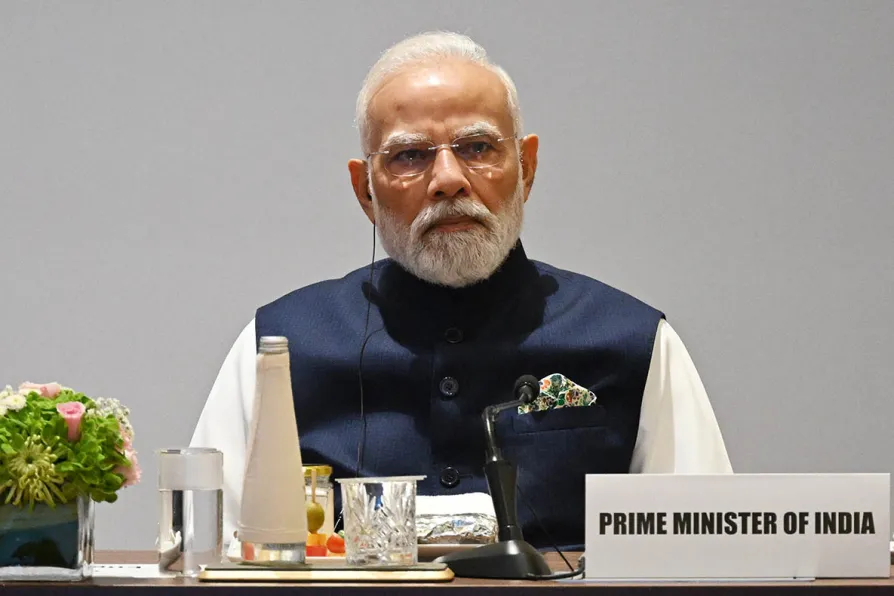
Modi has rolled out the carpet for the Taliban in New Delhi — and we shouldn’t be surprised. They have more in common than you might think, argues Bhabani Shankar Nayak