

 Latest editorial

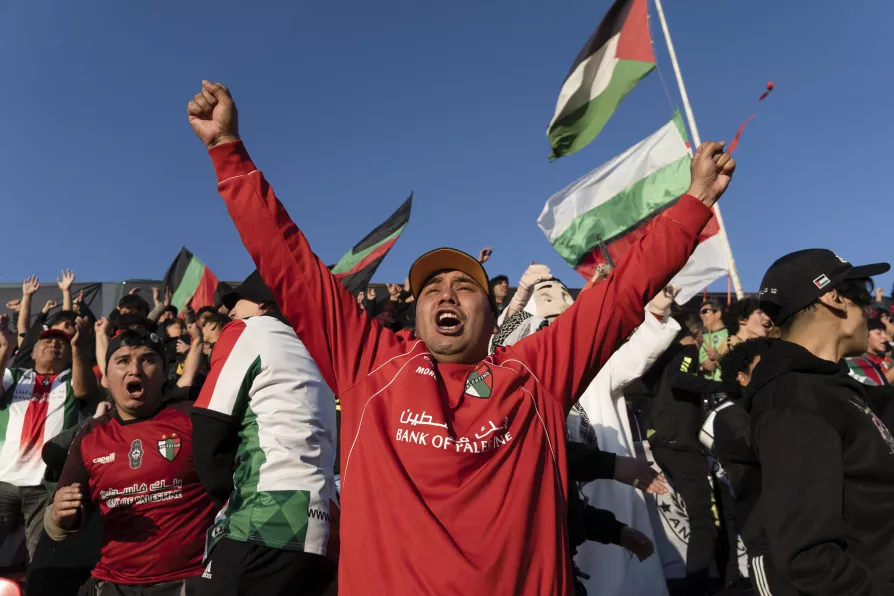 Club Palestino soccer team fans celebrate their second goal against Santiago Wanderers at a local league match at La Cisterna stadium in Santiago, Chile, July 12, 2024






ARMS raised high. Banners denouncing the war in Gaza. Crowds united in song and wrapped in keffiyehs, the black-and-white checkered scarves that have become a badge of Palestinian identity.
It could have been any other pro-Palestinian rally erupting over Israel-Hamas war if it weren’t for the fact that these thousands of protesters were actually football fans at a league match in Santiago, the capital of Chile.
Although the players darting across the field had names like Jose and Antonio and grew up in a Spanish-speaking South American nation, their fervour for the Palestinian cause and red, white, black and green-coloured jerseys underscored how Chile’s storied football club serves as an entry point for the world’s largest Palestinian community outside the Middle East to connect with an ancestral home thousands of miles away.


As antisemitism grows, the labour movement must recommit to defence of minorities while navigating the complexities of Gaza and global politics, argues NICK WRIGHT
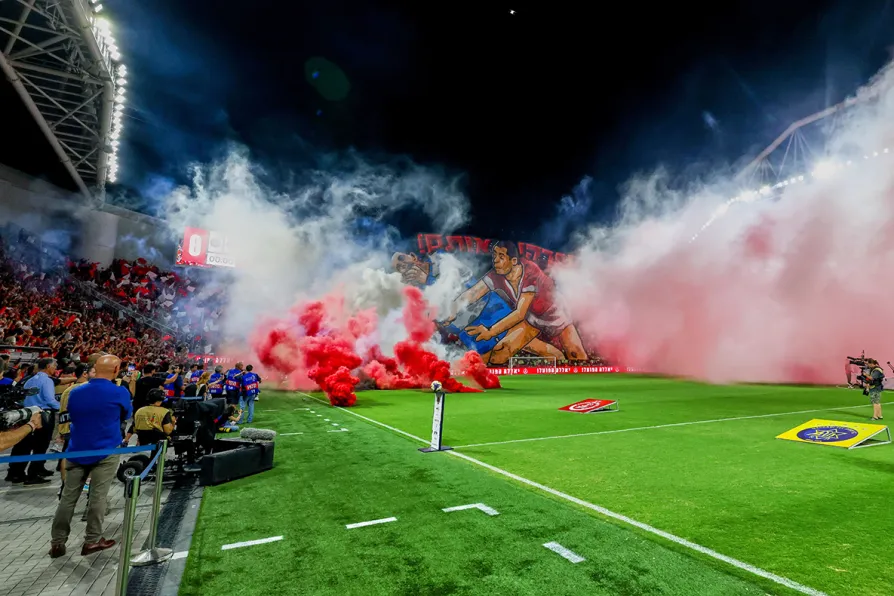
The ban on Maccabi Tel Aviv fans was based on evidence of a pattern of violence and hatred targeting Arabs and Muslims, two communities that have a large population in Birmingham — overturning the ban was tacit acceptance of the genocidal ideology the fans espouse, argues CLAUDIA WEBBE
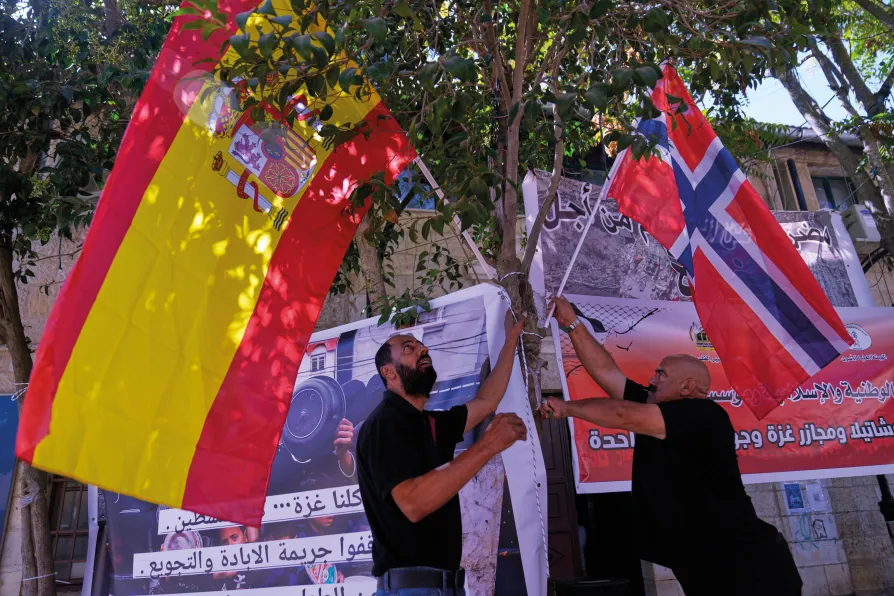
Spain has joined South Africa’s ICJ genocide case against Israel while imposing weapons bans and port restrictions, moves partly driven by trade unions — proving just how effectively civil society can reshape government policy, writes RAMZY BAROUD
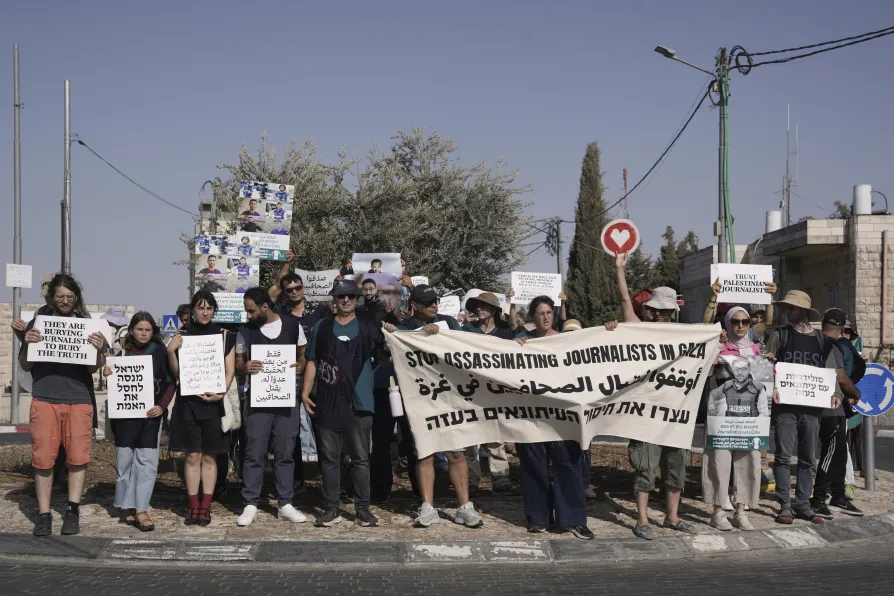
With foreign media banned from Gaza, Palestinians themselves have reversed most of zionism’s century-long propaganda gains in just two years — this is why Israel has killed 270 journalists since October 2023, explains RAMZY BAROUD