Preferable to Starmer he may be, but there is scant sign of a sharp political break in Burnham’s policies so far — while left challenges aren’t making much of a running either, finds ANDREW MURRAY. How can socialism be put back on the map?


 Latest editorial

Cuba's passion for education is an inspiration to all
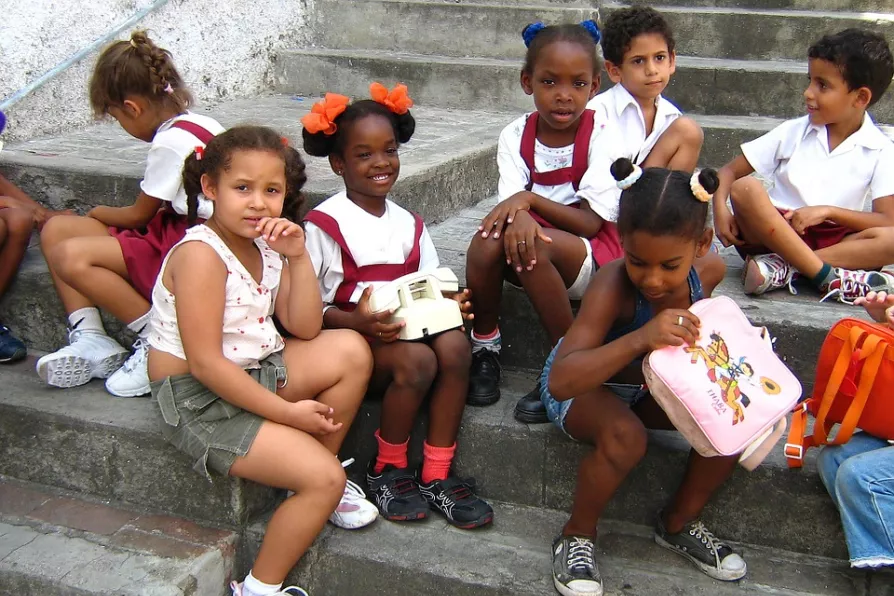 Cuban primary schoolchildren

CHARLEY ALLAN reports from Clacton on Farage’s fears his by-election stunt has backfired
JEREMY CORBYN says we should never forget the horrific reality of nuclear weapons, or cease our efforts to rid the planet of them entirely
The new TUC Cymru general secretary speaks to Morning Star Wales reporter David Nicholson about her trade union background and ambitions for the movement
Internationalism is deeply embedded in socialist theory and practice. Examination illuminates its complexity asserts the Marx Memorial Library and Workers’ School
The Claudia Sheinbaum government is no pushover and is holding firm despite US abuses of the relationship, says DAVID RABY
As we approach the grim anniversaries of Hiroshima and Nagasaki, SIMON BARROW sounds the alarm over the dangerous and murderous direction our government is heading





FROM the very first days of the revolution education became a priority.
In 1953, around half a million or 44 per cent of children between the ages of six and 14 were without schools, only 17 per cent of 15-19-year-olds attended formal education and more than one million people were illiterate.
The situation deteriorated in the countryside. Only 7 per cent of teenagers in rural areas went to school compared to 30 per cent in Havana. At the same time 10,000 teachers were out of work. The black population, suffering from the legacy of slavery and the institutionalised racism of Spanish imperialism, fared even worse.

Similar stories
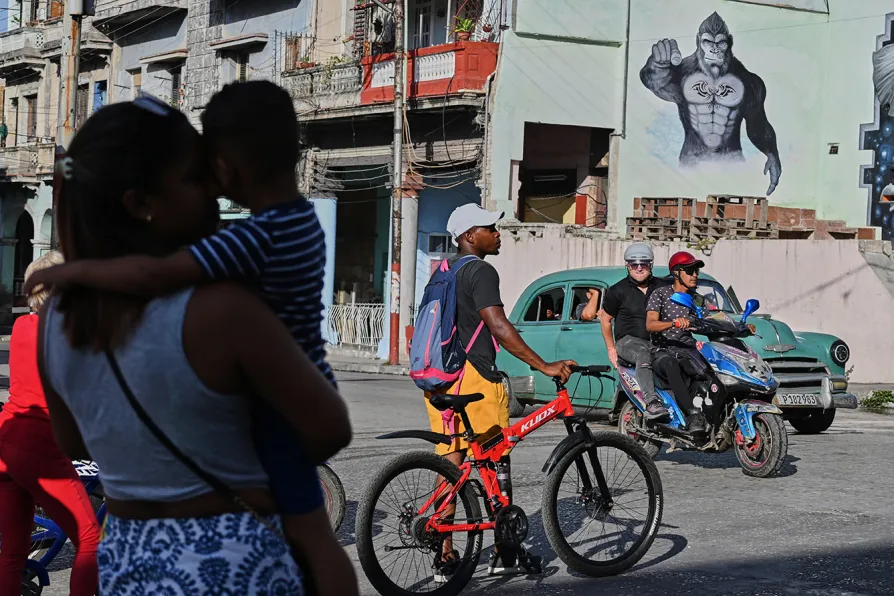
The real ‘humanitarian threat’ isn’t Cuba but the United States, where poverty, lack of healthcare and illiteracy abound, writes LINDA PENTZ GUNTER
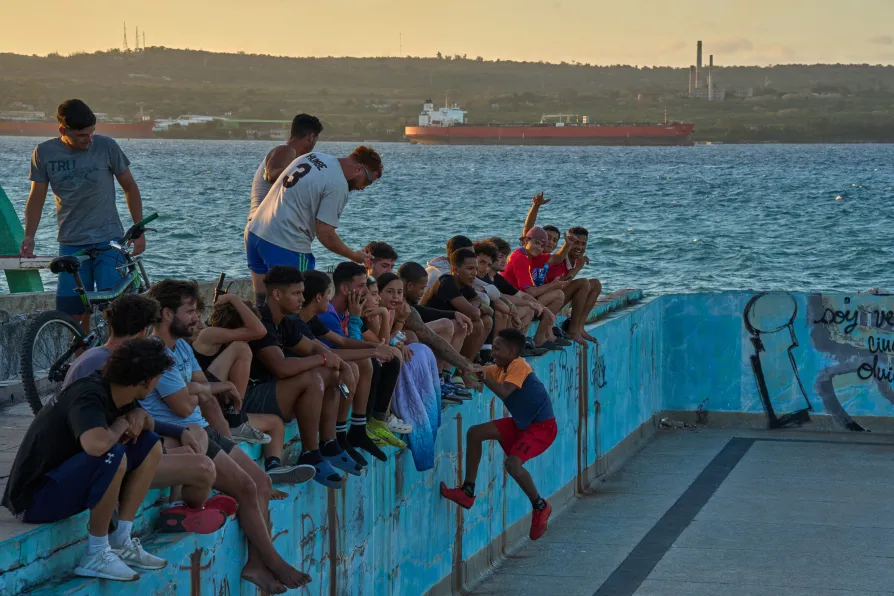
CLAUDIA WEBBE says the US is tightening the noose to destroy Cuban socialism — the need for immediate, international solidarity is urgent
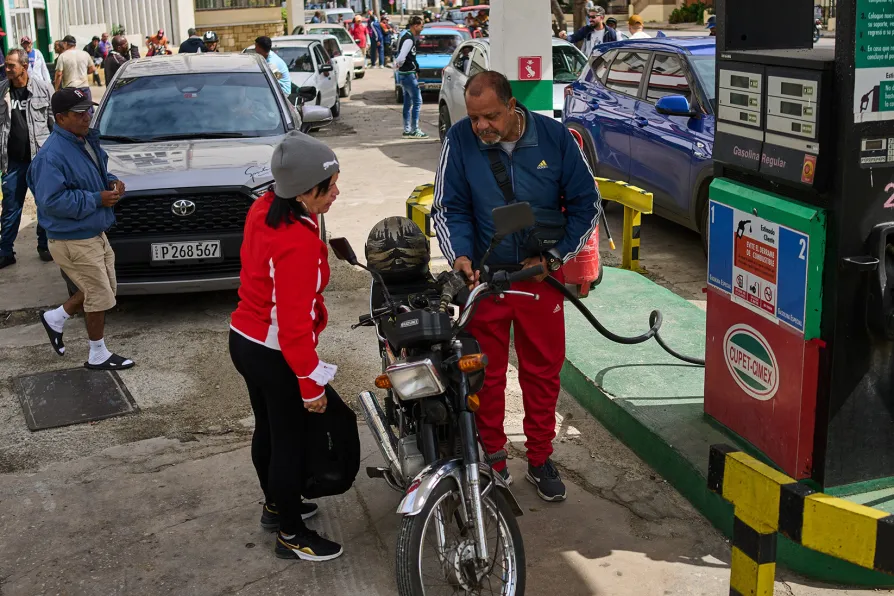
On January 29, US President Donald Trump declared Cuba an ‘unusual and extraordinary threat’ to US national security and tightened the blockade against the island nation MANOLO DE LOS SANTOS reports
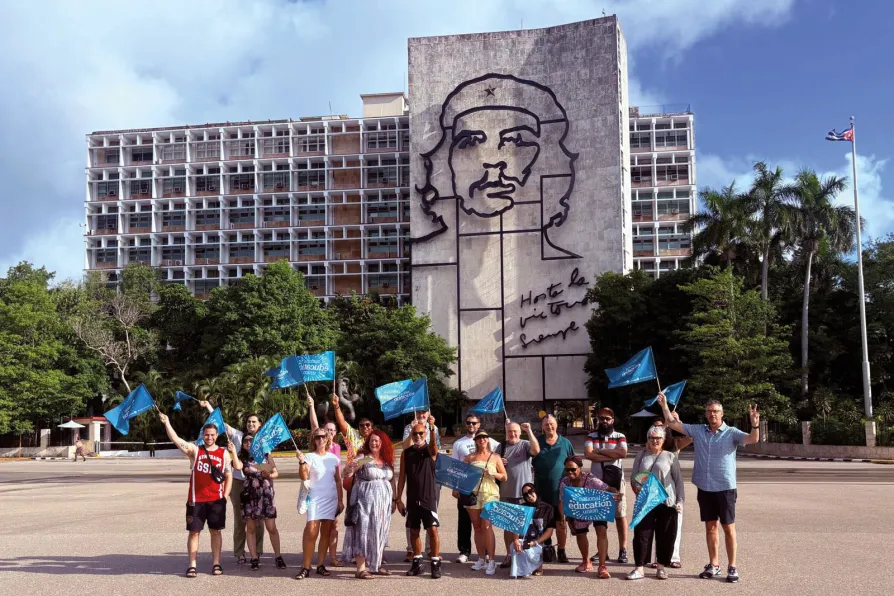
A teaching delegation to Cuba offered IAN DUCKETT a powerful glimpse into a schooling system defined by care, creativity and the legacy of the island’s remarkable 1961 literacy campaign