
ROB WARZYNIAK wades knee deep through a pile of ‘dead canaries’ of Trumpist policies which exacerbated the horrors of US capitalism domestically


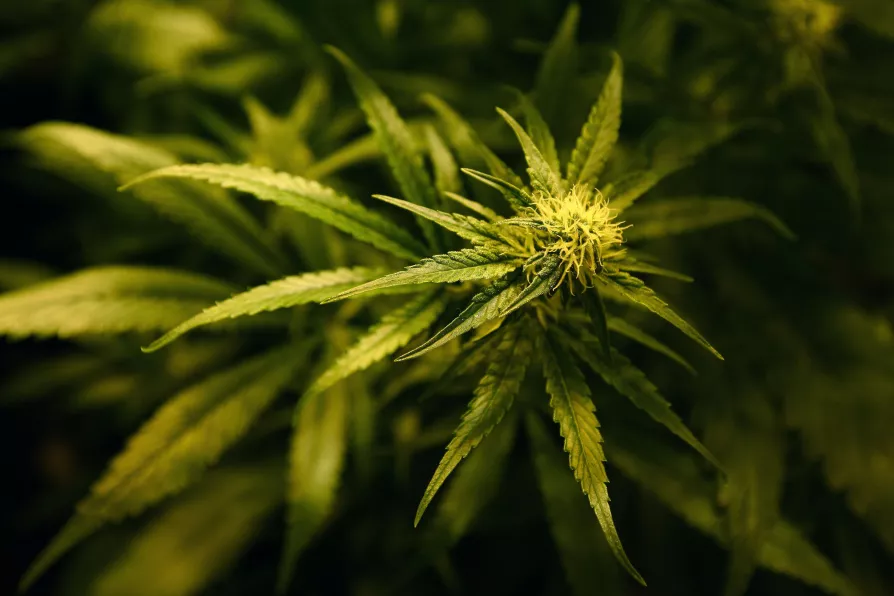
Blindly legalising cannabis would be a mistake – but there’s plenty we can get out of it

Without evidence or Nato consultations Berlin’s answer to the Leipzig incident is a rupture of relations. SEVIM DAGDELEN examines why
FRANCISCO DOMINGUEZ introduces the background to a conference on defending Latin America’s sovereignty
The glacier collapse in Nepal is yet another warning that a warming planet is making Himalayan disasters more frequent and destructive – but the countries facing the greatest risks are often those least responsible, says LI YANG
Nick Blair is set to benefit from a hugely lucrative contract to ‘virtually’ train the British army for its next war. Like father, like son, writes SOLOMON HUGHES
Even when tragedy strikes, Western media cannot resist the opportunity to turn it into a sordid propaganda opportunity, as the Nepal-China border tragedy shows, writes CARLOS MARTINEZ
Trade unions should be at the heart of the anti-racist push for reparations for the historic legacy and continuing impact of slavery, writes ROGER McKENZIE





WHILE cannabis’s potential for harm has been well-documented and numerous studies show some therapeutic benefits of medicines synthesised from the drug, the British government is reviewing the law on medicinal use of cannabis.
Man’s relationship with marijuana goes back millennia. Most ancient cultures were acquainted with the drug and hemp crops were first grown over 10,000 years ago. The Chinese used cannabis for medicinal purposes 5,000 years ago, followed by other ancient civilisations including the Egyptians, Greeks, Romans and medieval Arabs who also used the drug to treat a wide array of ailments.
Cannabis has been associated with both love and war — the legendary Arabian Nights folk tales note the narcotic’s aphrodisiac properties, while the Hashshashin (“hashish smoking”) warriors, a 11th-13th-century Shi’ite sect based in Persia, from which the English word assassin mistakenly derives, were given cannabis to induce a hypnotic state and eliminate the fear of death. More recently, during World War II US scientists found a potent extract of marijuana that could be used as a truth serum.

Similar stories
China’s investment and commitment to scientific research is already paying off, pushing the country to the centre stage of global technological advance, writes S Krishnaswamy
![Meat [Pic: Cindie Hansen / Creative Commons]](https://msd11.gn.apc.org/sites/default/files/styles/desktop/public/2026-07/cindie-hansen-8IQlsHB2OS8-unsplash.jpg.webp?itok=AgeMqKnO)
Innovation in biotechnology is changing how we conceive of meat, say ROX MIDDLETON, LIAM SHAW and MIRIAM GAUNTLETT of SCIENCE AND SOCIETY


Politicians who continue to welcome contracts with US companies without considering the risks and consequences of total dependency in the years to come are undermining the raison d’etre of the NHS, argues Dr JOHN PUNTIS